


Call Us
+86-573-83601567
Email Us
info@aoketrade.com

What Causes Discoloration in Stainless Steel Screws?
Under normal circumstances, stainless steel screws retain their natural metallic luster and generally do not require additional surface protection. However, many people notice that after the screws are put into use, their surfaces gradually develop discoloration, such as reddening or darkening. Today, we will briefly analyze the common causes of discoloration in stainless steel screws and provide corresponding solutions.
1. After stainless steel screws undergo hardening treatment, if the subsequent cleaning process is inadequate, cleaning agents may remain on the surface. Over time, during storage and use, these residual liquids continuously react chemically with the metal surface, eventually damaging the original appearance and causing discoloration. This is the most common cause of screw discoloration.
2. Some stainless steel raw materials have a phosphating layer on their surface. After high-temperature heat treatment, this layer is prone to developing red rust stains, resulting in a reddish surface. To prevent this in advance, the phosphating layer should be thoroughly removed before heat treatment, and the processing temperature of the mesh belt furnace should be properly controlled to reduce the risk of discoloration at the source.
3. During the quenching stage of screw processing, if water-based cooling media are used, residual cooling liquid that remains in the crevices and on the surface of the screws over time will gradually weaken the stainless steel’s rust resistance, ultimately causing the entire surface to turn black. In daily production management, it is necessary to regularly test the quality indicators of the cooling water and perform timely maintenance and adjustments to effectively prevent blackening.
4. When using an oil-based quenching process, the aging and deterioration of the quenching oil is also a key factor in screw blackening. During production, processing temperatures should be properly controlled to maintain the oil temperature at around 50°C, thereby slowing the rate of oil degradation. This ensures effective quenching while preventing appearance defects such as blackening in stainless steel screws caused by oil-related issues.
Send Inquiry



X
We use cookies to offer you a better browsing experience, analyze site traffic and personalize content. By using this site, you agree to our use of cookies.
Privacy Policy
News
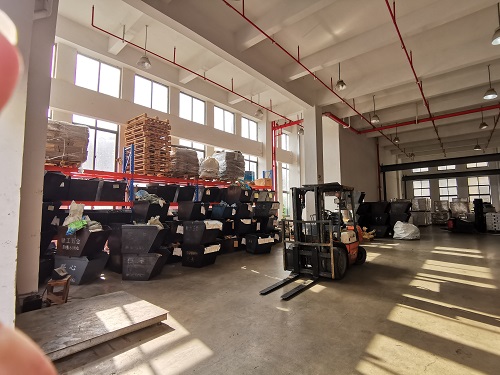 How We Provide Fastener Solutions for Global Projects2025/12/05
A successful project relies on a reliable supply chain partner. As a specialized fastener company with our own manufacturing facilities, our mission is to be your most trusted connection point.
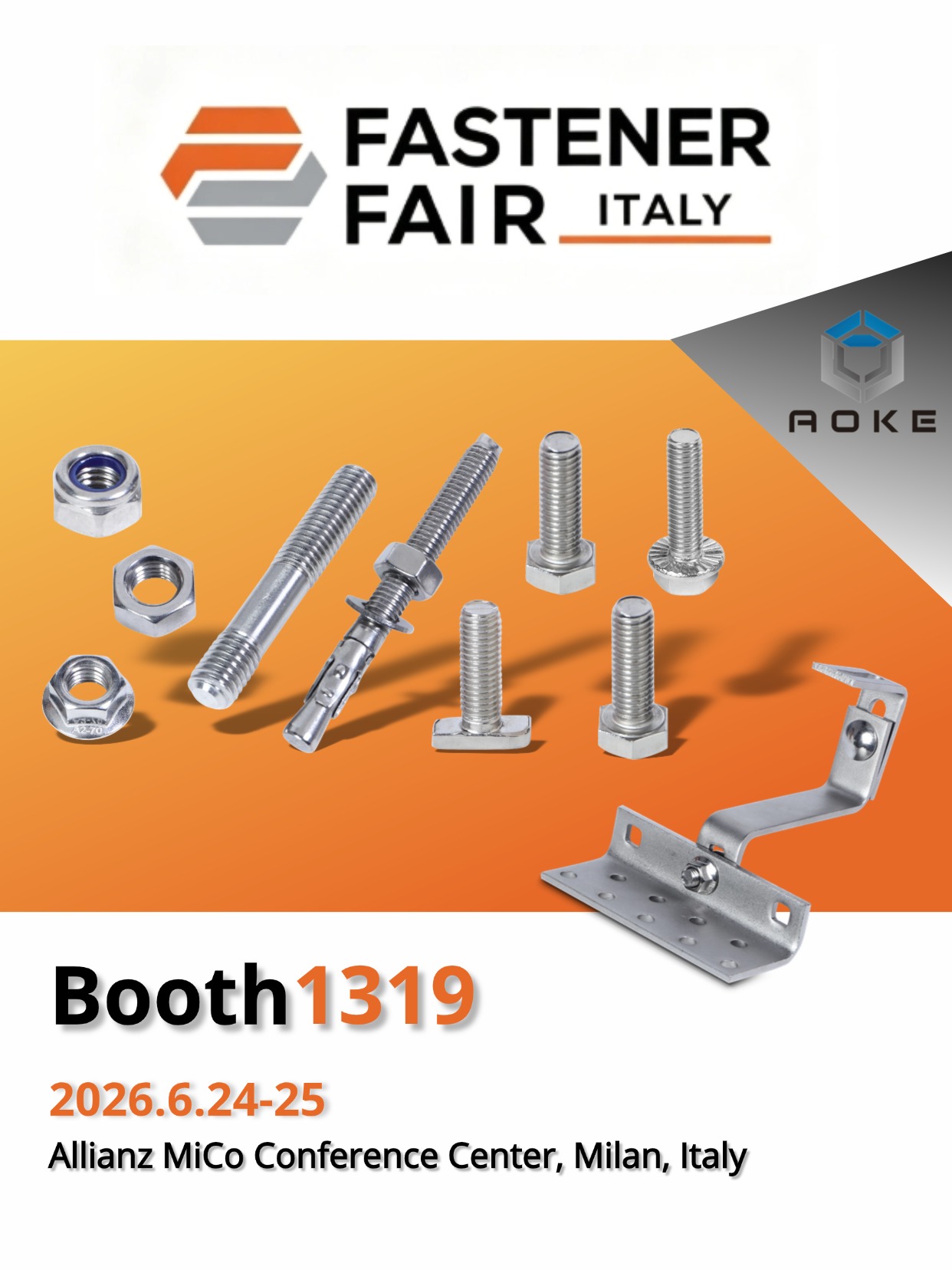 Meet Jiaxing AOKE at Fastener Fair Italy 20262026/04/29
Jiaxing AOKE will be attending Fastener Fair Italy 2026, taking place at the Allianz MiCo Conference Center, Milan, Italy, on June 24–25, 2026.