


Call Us
+86-573-83601567
Email Us
info@aoketrade.com

Industry News
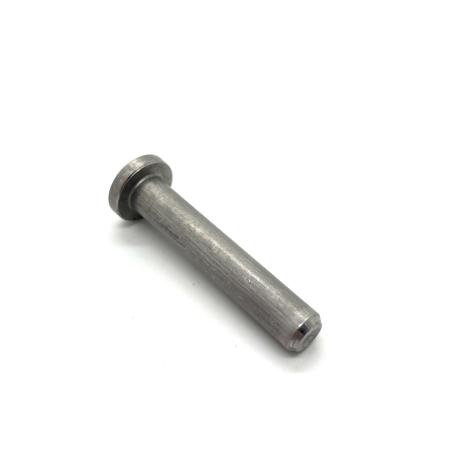
ISO2341 Clevis Pin: Hinge Connector Selection for Stamped-Weld Assemblies
ISO2341 clevis pins matched for stamping assemblies, and compares structural differences and application scenarios between Type‑A and Type‑B. Under our **Industrial Fastener** supply‑chain system, we provide **Custom Stamping Parts**, **Non‑standard Fasteners** and **Hardware Sourcing Service**. Sup......
View Details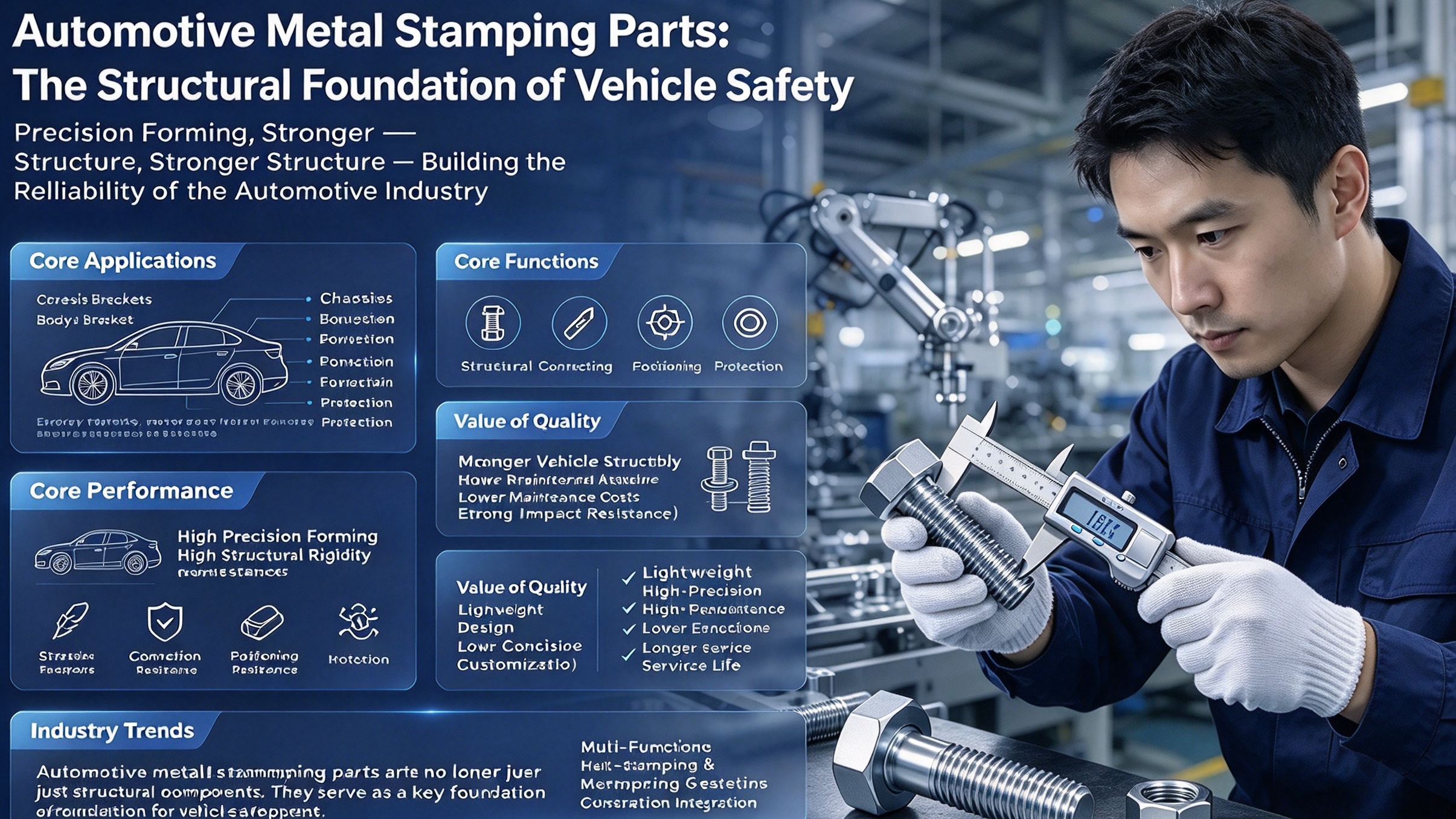
How to Select Coarse & Fine Thread for Lock Nuts
Precision automotive stamping parts form the invisible safety backbone of vehicle structures. Many manufacturers pay close attention to stamping forming quality but overlook the matching of lock nut thread types. Incorrect choice between coarse and fine threads easily triggers sheet metal deformatio......
View Details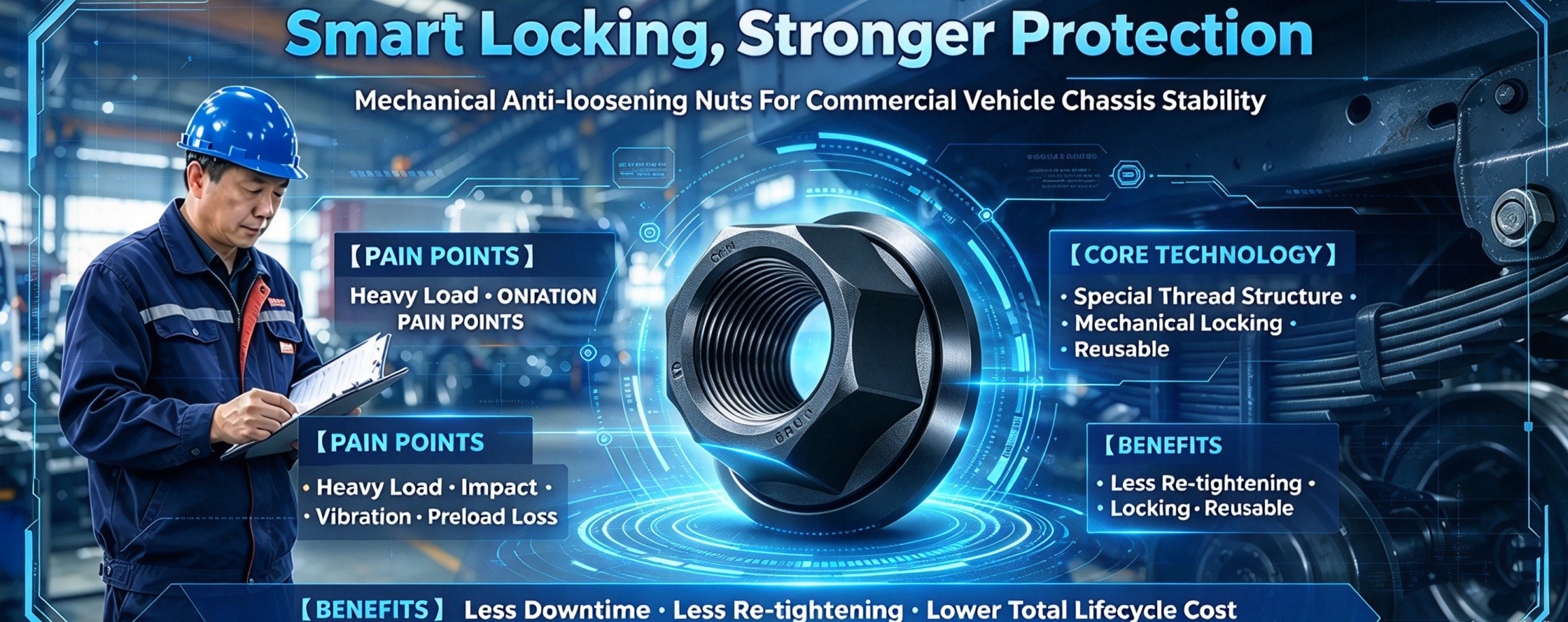
Why Low-Cost Prevailing Torque Nuts Become Anti-Loosening Solution for Commercial Vehicle OEMs
Commercial vehicle chassis assemblies rely on precision stamped parts for load bearing. The long-term stability of stamping structures requires well-matched **industrial fasteners**. Vibration and impact may loosen ordinary threaded connectors, break the force balance of stamping assemblies and acce......
View Details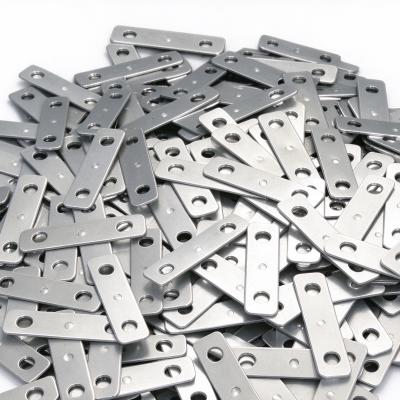
Flat Stamping Connecting Plate- Welding Replacement for Stable Assembly
We newly launch flat stamping connecting plates for multi-scenario structural reinforcement. These integrally stamped parts can be made of carbon steel, stainless steel or aluminum alloy. Heat treatment and anti-corrosion surface treatments like electroplating and hot-dip galvanizing are available. ......
View Details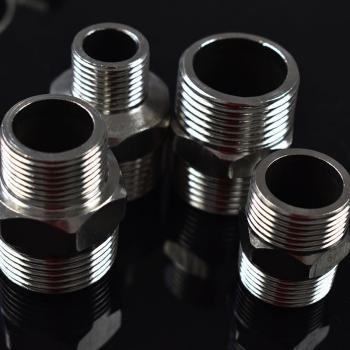
How to Control Tightening Torque for Instrument Threads?
This news shares the reference table of tightening torque for stamped instrument pipeline fittings, supporting the assembly of industrial stamped parts used in automatic control pipelines. Stamped sealing connectors feature thin walls and sensitive sealing surfaces; unregulated thread assembly proce......
View Details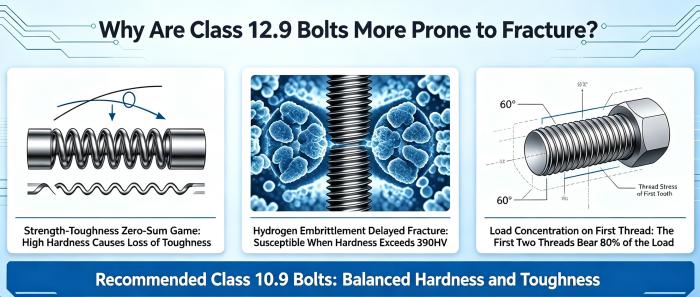
Why Grade 12.9 Bolts Are Prone to Unexpected Fracture? Fastener Selection Tips for Stamping Assembly
The connection stability of stamping assemblies relies heavily on properly selected supporting fasteners. Many stamping project engineers blindly adopt Grade 12.9 high-strength bolts, only to encounter unexpected fracture failures. This article analyzes the mechanical principle: higher strength of G......
View Details


X
We use cookies to offer you a better browsing experience, analyze site traffic and personalize content. By using this site, you agree to our use of cookies.
Privacy Policy
News
 Guide to Selecting Fastener Materials: Material Determines Performance, Heat Treatment Determines Strength, and Surface Treatment Determines Service Life!2026/07/13
A single sentence that captures the essence of the fastener industry: Choose the wrong material, and even the strongest fastener will break; Choose the wrong heat treatment, and even the highest-rated fastener is merely a false claim; Choose the wrong surface treatment, and even the best screw wi......
 Jiaxing Aoke – Reliable Supplier of High-Performance EPDM Bonded Washers2026/07/10
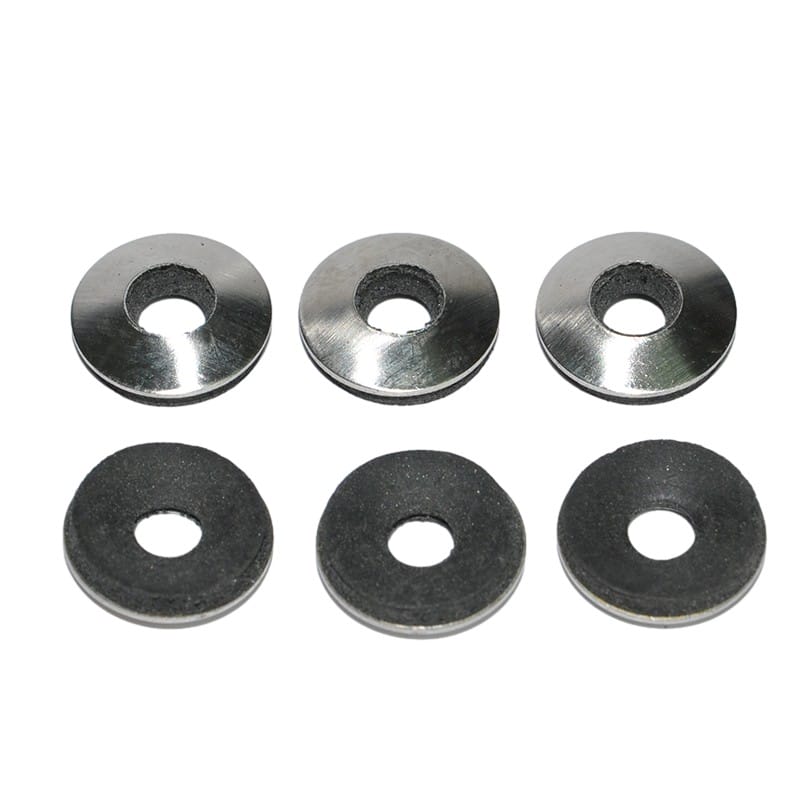
Featuring prominent advantages such as aging resistance, high and low temperature resistance, water and vapor resistance, high resilience and ultra-long service life, EPDM bonded washers have become the most widely used and cost-effective sealing consumables for engineering supporting applications. ......