


Call Us
+86-573-83601567
Email Us
info@aoketrade.com

Industry News
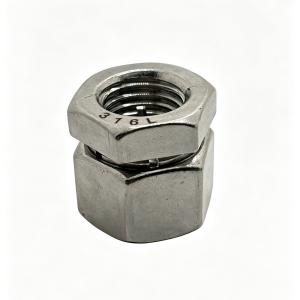
Low-Carbon 316L Flex Lock Nut: Matching High-Demanding Stamping-Assembly Systems Against Corrosion & Vibration
The M20 316L Flex Lock Nut, developed by Jiaxing Aoke Trading and its partner factory Jiaxing Aoke Hardware, is specially optimized for welded stamping assemblies. Weld‑induced material sensitization often causes intergranular corrosion at fastening points of stamped frames, brackets and enclosures,......
View Details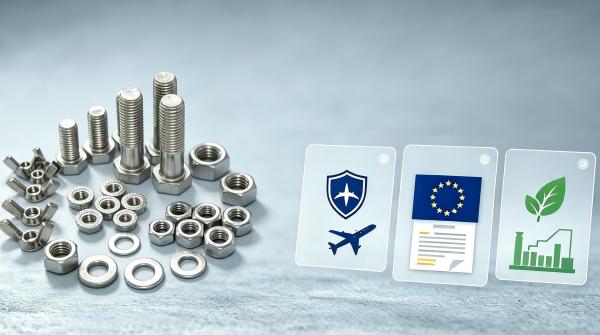
Global Trade Policy Updates: Export Compliance and Market Opportunities for Alloy Stamped Parts
Global hardware trade rules keep updating. US anti‑circumvention measures, WTO EU anti‑dumping ruling and EU CBAM carbon tax are reshaping the export landscape for alloy stamped fasteners. For stamping manufacturers, origin traceability is critical to pass US customs inspection. For kit exports, sel......
View Details
Hardware Stamping Part Exports Amid Strait of Hormuz Tensions: 3‑Dimensional Comparison of Red Sea, Cape of Good Hope Detour and China‑Europe Railway Express
Geopolitical tensions in the Strait of Hormuz push up global shipping costs. Only tentative services are available on the Red Sea route, creating new challenges for hardware stamping‑part exports. This article compares three mainstream logistics options: Red Sea‑Suez shipping, Cape of Good Hope deto......
View Details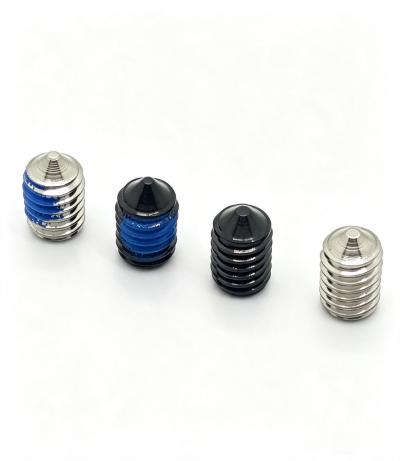
Nylon Patch Set Screw Specification Guide: Matching Solutions for Precision Stamped Component Assembly
The global trend in hardware procurement is driving manufacturing companies to adopt precision automation integrated component solutions, which significantly increases production losses due to vibration loosening between stamped parts and matching fasteners. More and more international buyers are pu......
View Details

June Manufacturing PMI Stands at 50.3%
Data released by the Service Industry Survey Center of the National Bureau of Statistics and the China Federation of Logistics and Purchasing show that the Manufacturing Purchasing Managers’ Index (PMI) for June stood at 50.3%, up 0.3 percentage points from the previous month, marking the fourth con......
View Details


X
We use cookies to offer you a better browsing experience, analyze site traffic and personalize content. By using this site, you agree to our use of cookies.
Privacy Policy
News
 Guide to Selecting Fastener Materials: Material Determines Performance, Heat Treatment Determines Strength, and Surface Treatment Determines Service Life!2026/07/13
A single sentence that captures the essence of the fastener industry: Choose the wrong material, and even the strongest fastener will break; Choose the wrong heat treatment, and even the highest-rated fastener is merely a false claim; Choose the wrong surface treatment, and even the best screw wi......
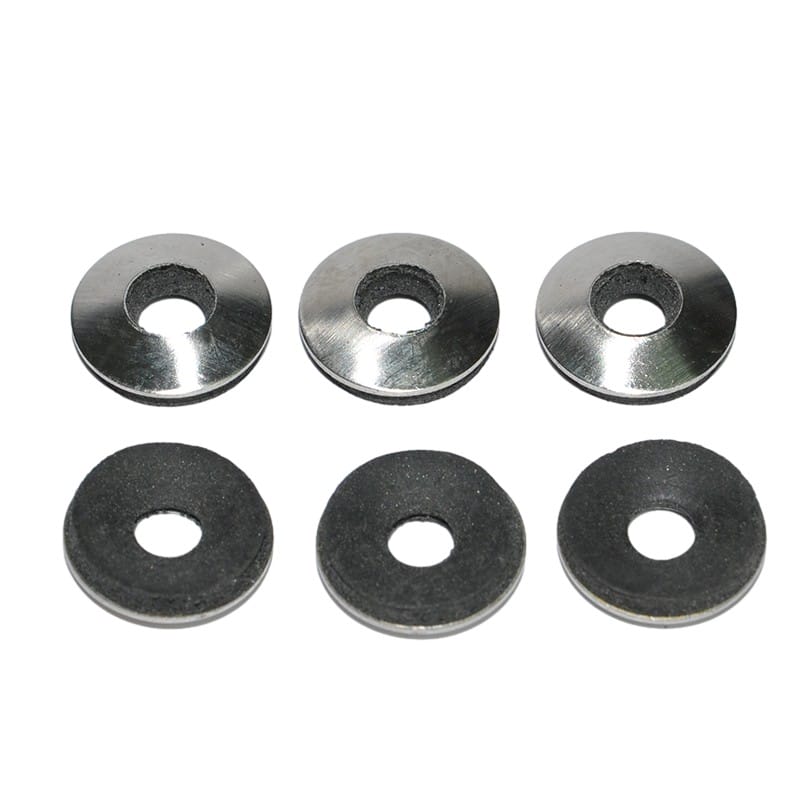 Jiaxing Aoke – Reliable Supplier of High-Performance EPDM Bonded Washers2026/07/10
Featuring prominent advantages such as aging resistance, high and low temperature resistance, water and vapor resistance, high resilience and ultra-long service life, EPDM bonded washers have become the most widely used and cost-effective sealing consumables for engineering supporting applications. ......