


Call Us
+86-573-83601567
Email Us
info@aoketrade.com

Guide to Selecting Cylindrical Pins
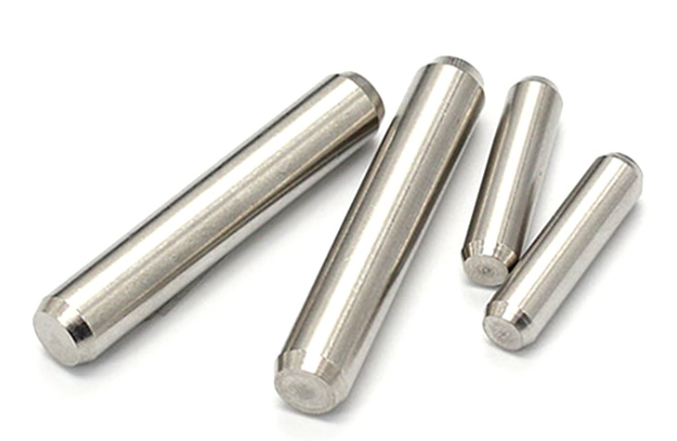
Cylindrical pins feature a uniform cylindrical shape, with both ends typically chamfered to facilitate insertion into holes. They achieve secure fastening through a tight fit. Thanks to their simple structure, consistent precision, and high durability, they are widely used in the assembly of various equipment, including molds, machine tools, automotive components, precision instruments, and hardware machinery.
Core Functions
Cylindrical pins secure the relative positions of two or more parts, ensuring assembly precision. For example, they position the fixed and moving dies in molds, machine tool fixtures and workpieces, and housing bodies and lids, preventing positional deviations during operation. Additionally, cylindrical pins assist in connecting components, sharing minor loads and torque, and enhancing the structural integrity of equipment assemblies.
Common Types
1. Standard Solid Cylindrical Pins
The most versatile type, typically made of carbon steel or stainless steel. They feature high hardness and precise positioning, making them suitable for precision assembly scenarios requiring long-term fixation without frequent disassembly.
2. Internal Threaded Cylindrical Pins
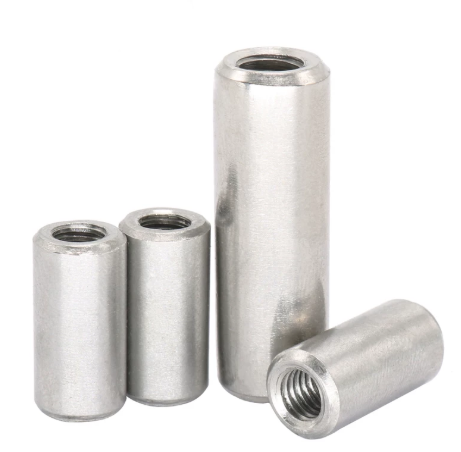
Featuring an internal thread at one end, these are specifically designed for blind holes. The thread allows for easy removal, facilitating convenient installation and disassembly without damaging the pin hole, which is particularly useful for subsequent equipment maintenance and repairs.
3. Elastic Cylindrical Pins
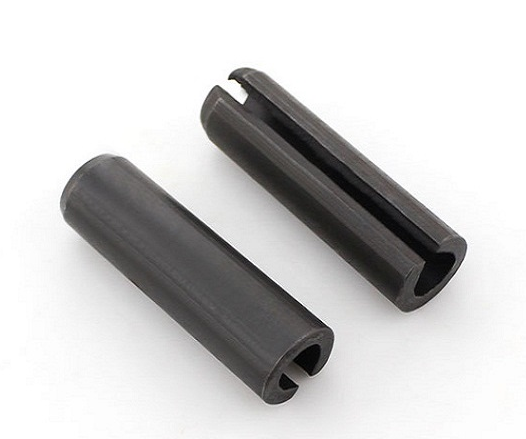
Featuring a longitudinal slit and a hollow structure, these pins are elastic, require minimal precision in hole machining, and offer excellent shock absorption and cushioning capabilities. They are commonly used in mechanical components subject to significant vibration.
4. Cylindrical Pins with Radial Holes
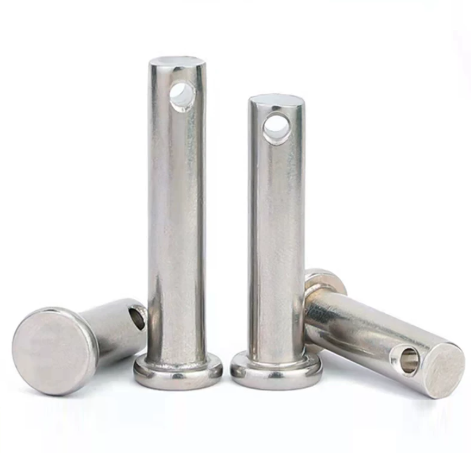
One end features a radial through-hole. After assembly, a split pin can be inserted to lock the pin in place, preventing it from falling out. These are suitable for applications with strong vibrations and anti-loosening requirements, such as outdoor machinery and automotive chassis.
When selecting and using cylindrical pins, simply choose based on the actual operating conditions. For high-precision assembly, solid carbon steel cylindrical pins are the preferred choice. In damp or corrosive environments, rust-resistant stainless steel is recommended. For applications requiring frequent disassembly or where space is limited, internal threaded cylindrical pins are more suitable. For mechanical structures subject to significant vibration, elastic cylindrical pins are the preferred option.
Send Inquiry



X
We use cookies to offer you a better browsing experience, analyze site traffic and personalize content. By using this site, you agree to our use of cookies.
Privacy Policy
News
 Guide to Selecting Fastener Materials: Material Determines Performance, Heat Treatment Determines Strength, and Surface Treatment Determines Service Life!2026/07/13
A single sentence that captures the essence of the fastener industry: Choose the wrong material, and even the strongest fastener will break; Choose the wrong heat treatment, and even the highest-rated fastener is merely a false claim; Choose the wrong surface treatment, and even the best screw wi......
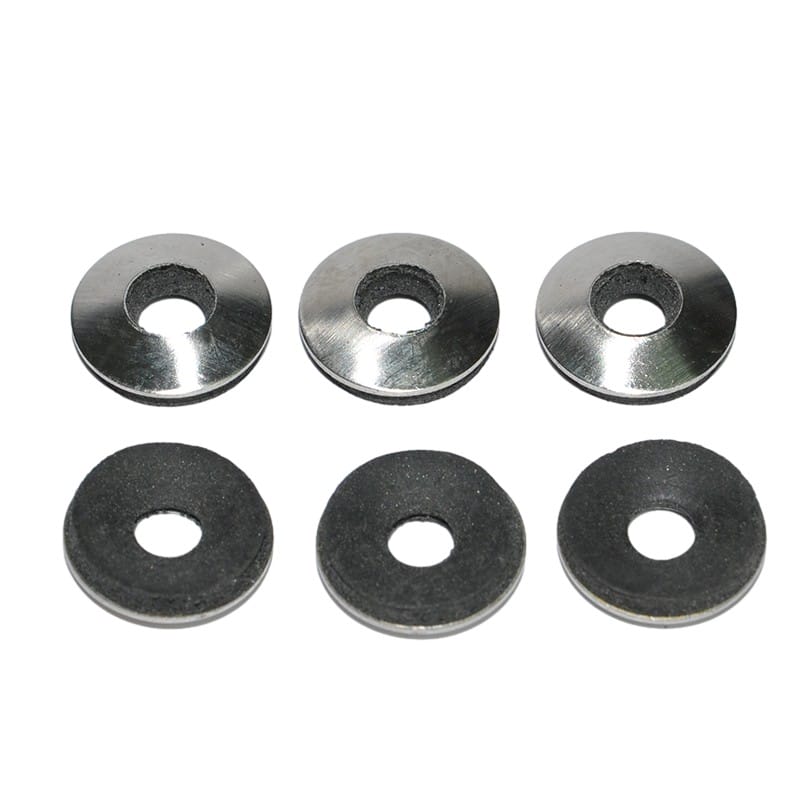 Jiaxing Aoke – Reliable Supplier of High-Performance EPDM Bonded Washers2026/07/10
Featuring prominent advantages such as aging resistance, high and low temperature resistance, water and vapor resistance, high resilience and ultra-long service life, EPDM bonded washers have become the most widely used and cost-effective sealing consumables for engineering supporting applications. ......