


Call Us
+86-573-83601567
Email Us
info@aoketrade.com

How Blind Rivets Work?
What are blind rivets? Blind rivets are a type of single-sided rivet that requires a rivet gun (manual, electric, or automatic) for installation. These rivets are suitable for applications where standard rivets (which require riveting from both sides) are impractical, and are widely used in products such as construction, automotive, marine, aerospace, machinery, electrical appliances, and furniture.
What are the advantages of blind rivets?
1. Single-sided installation
2. Wide range of applications
3. Quick installation
4. High clamping force and excellent seismic resistance
5. Clean break surface and strong locking capability
What are the steps for standard installation of blind rivets?
1. Load the rivet into the gun nozzle and insert it into the pre-drilled hole.
2. Activate the tool to expand the rivet, filling the hole in the workpiece.
3. When the load reaches the predetermined value, the rivet head breaks cleanly, and the shank is locked securely within the rivet.
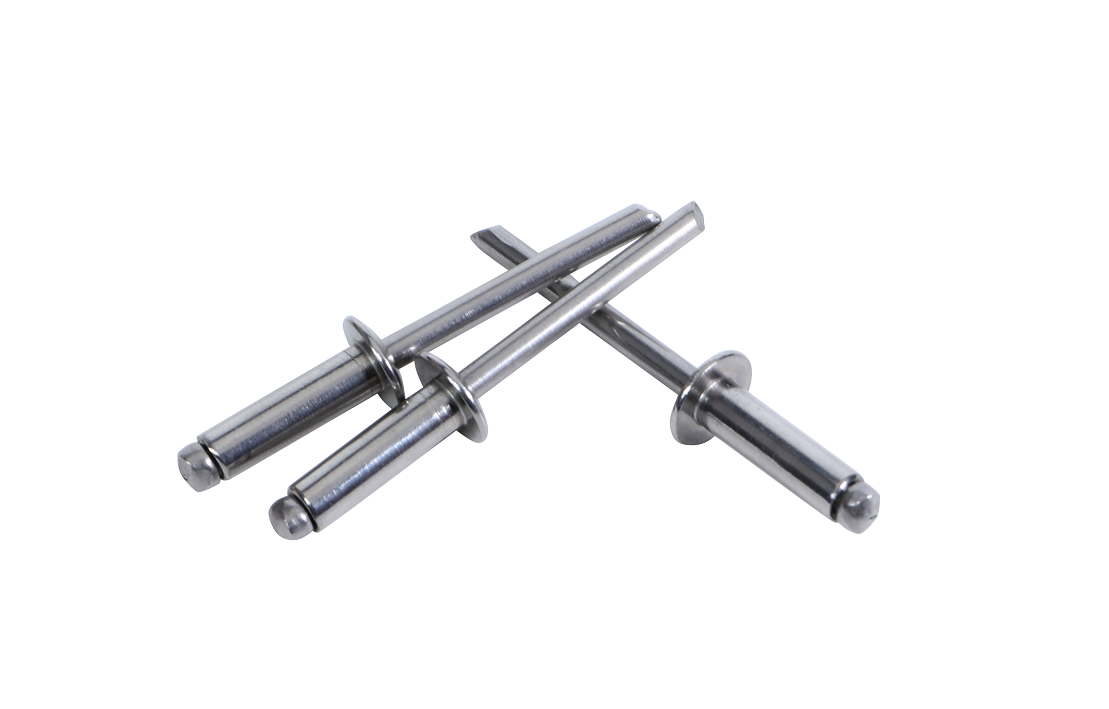
Let’s now explore the working principle of blind rivets.
The primary function of a blind rivet is to securely join and fasten workpieces together. Its working principle involves pulling the internal mandrel to generate force from the inside out, thereby completing the fastening and riveting process. Understanding this principle will help you use pop rivets more effectively.
To use a blind rivet, first insert the rivet through the holes in the workpieces to be joined, then use a tool to pull the mandrel. During this process, the tail end of the rivet expands under pressure, forming a tight head that clamps and locks the workpieces securely, preventing them from coming loose. When an external force attempts to separate the workpieces, the rivet as a whole can withstand shear forces, effectively preventing the workpieces from coming apart.
Blind rivets can be installed using either cold riveting or hot riveting. Cold riveting involves performing the riveting operation directly at room temperature; hot riveting is suitable for applications requiring higher connection strength. During installation, the rivet is preheated and inserted into the rivet hole while hot; as the rivet cools naturally, it generates contraction stress, resulting in a tighter and more secure connection between the workpieces.
The most significant feature of blind rivets is that the entire riveting operation can be completed from a single side. With a simple process and convenient installation, they are a very commonly used fastening component in riveting operations.
Send Inquiry



X
We use cookies to offer you a better browsing experience, analyze site traffic and personalize content. By using this site, you agree to our use of cookies.
Privacy Policy
News
 Guide to Selecting Fastener Materials: Material Determines Performance, Heat Treatment Determines Strength, and Surface Treatment Determines Service Life!2026/07/13
A single sentence that captures the essence of the fastener industry: Choose the wrong material, and even the strongest fastener will break; Choose the wrong heat treatment, and even the highest-rated fastener is merely a false claim; Choose the wrong surface treatment, and even the best screw wi......
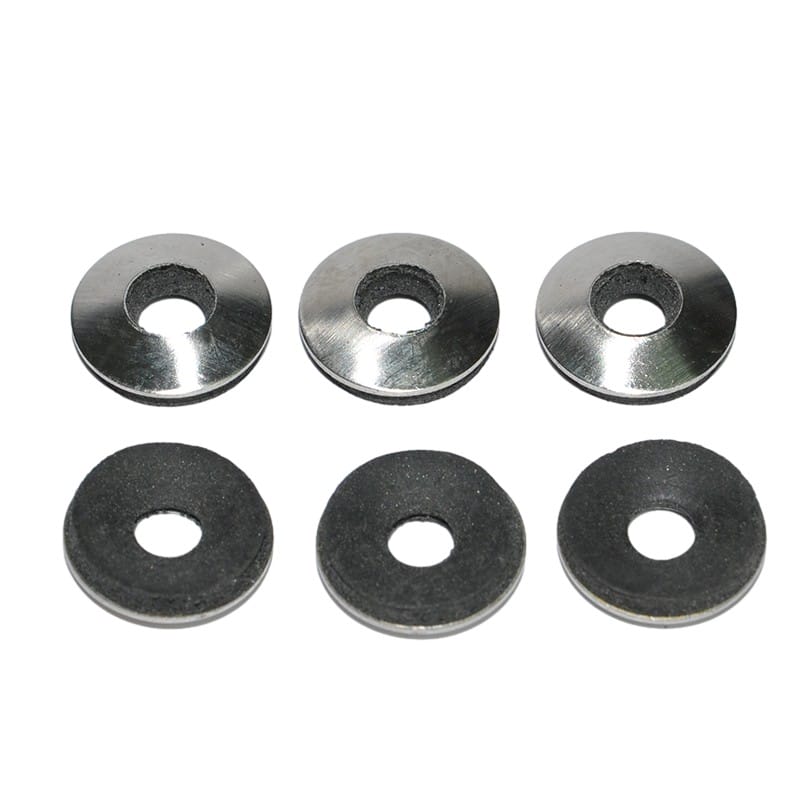 Jiaxing Aoke – Reliable Supplier of High-Performance EPDM Bonded Washers2026/07/10
Featuring prominent advantages such as aging resistance, high and low temperature resistance, water and vapor resistance, high resilience and ultra-long service life, EPDM bonded washers have become the most widely used and cost-effective sealing consumables for engineering supporting applications. ......