


Call Us
+86-573-83601567
Email Us
info@aoketrade.com

What Are Half-Threaded Screws Used For?
Many people know that screws are used for fastening and securing objects, but they often cannot distinguish between fully threaded and half-threaded screws, nor do they understand the specific applications of half-threaded screws. While they may appear to simply lack a section of threads, there are actually significant differences in terms of installation and load-bearing capacity, making them an indispensable and commonly used fastener in industrial assembly.
Partial-thread screws are a type of non-standard screw. They are designed with threads at the tail end and a smooth, unthreaded section near the head. When the screw is driven into a pre-drilled hole, the chips produced by the threads at the tail end can be effectively removed, and the process requires less effort.
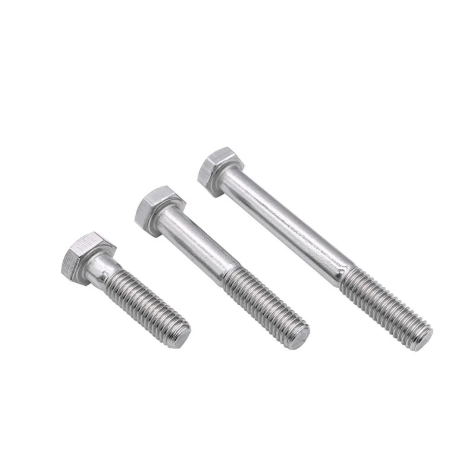
Because half-threaded screws have a smooth shank section, this area fits more tightly into the pre-drilled hole compared to the threaded portion, resulting in high locking stability. Furthermore, when subjected to shear forces, the longer the smooth shank, the lower the likelihood of displacement in the fastened object.
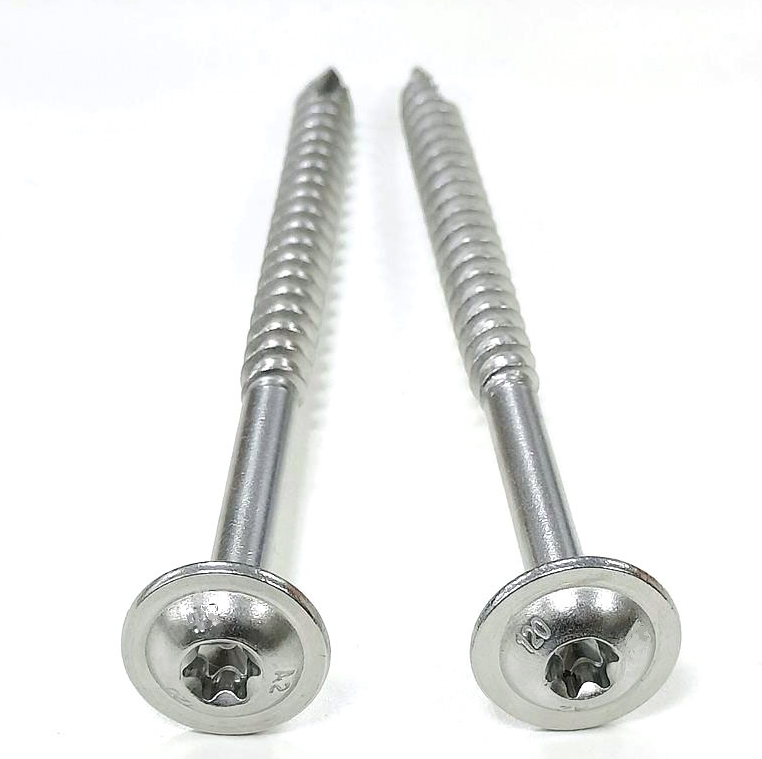
If strict fastening performance is required—where even the slightest loosening is unacceptable—we recommend using half-threaded screws. Furthermore, half-threaded screws have higher shaft diameter strength and slightly higher yield strength than fully threaded screws. If screw strength is a requirement, we recommend selecting half-threaded screws.
Jiaxing Aoke specializes in the custom manufacturing of various types of partial-thread screws, offering a complete range of specifications and material options. Our partial-thread screws feature precision craftsmanship, standard thread profiles, and consistent shear and tensile strength. We support custom orders and ensure on-time delivery. We welcome your inquiries and look forward to collaborating with you!
Send Inquiry



X
We use cookies to offer you a better browsing experience, analyze site traffic and personalize content. By using this site, you agree to our use of cookies.
Privacy Policy
News
 Guide to Selecting Fastener Materials: Material Determines Performance, Heat Treatment Determines Strength, and Surface Treatment Determines Service Life!2026/07/13
A single sentence that captures the essence of the fastener industry: Choose the wrong material, and even the strongest fastener will break; Choose the wrong heat treatment, and even the highest-rated fastener is merely a false claim; Choose the wrong surface treatment, and even the best screw wi......
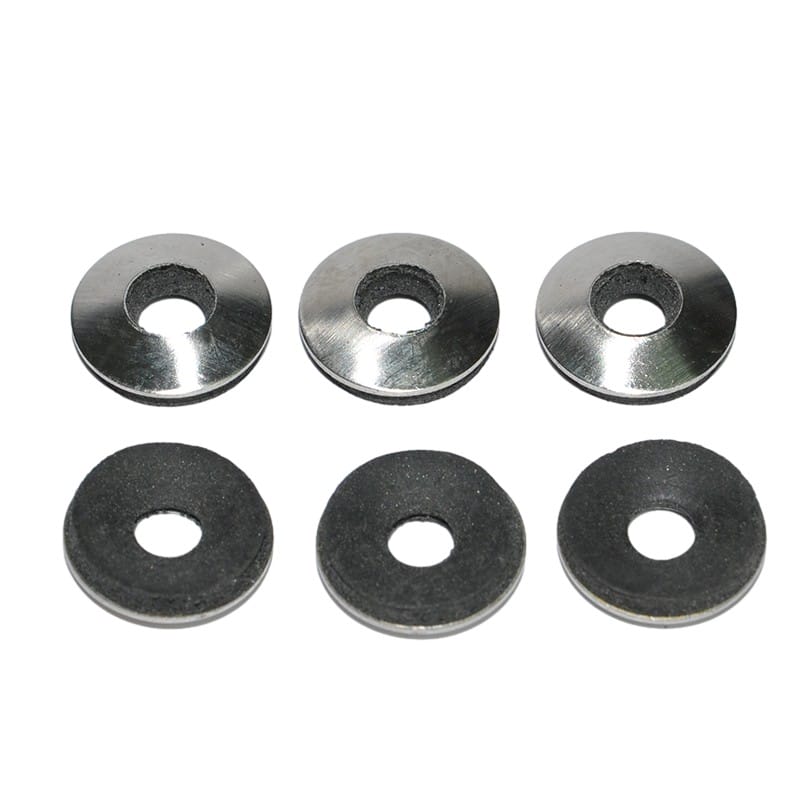 Jiaxing Aoke – Reliable Supplier of High-Performance EPDM Bonded Washers2026/07/10
Featuring prominent advantages such as aging resistance, high and low temperature resistance, water and vapor resistance, high resilience and ultra-long service life, EPDM bonded washers have become the most widely used and cost-effective sealing consumables for engineering supporting applications. ......