


Call Us
+86-573-83601567
Email Us
info@aoketrade.com

What is the primary difference between pan-head screws and countersunk screws?
Pan-head screws and countersunk screws are two of the most commonly used fasteners in everyday assembly. Their core differences lie in the shape of their heads, their intended applications, and the scenarios in which they are suitable. Below is a straightforward explanation.
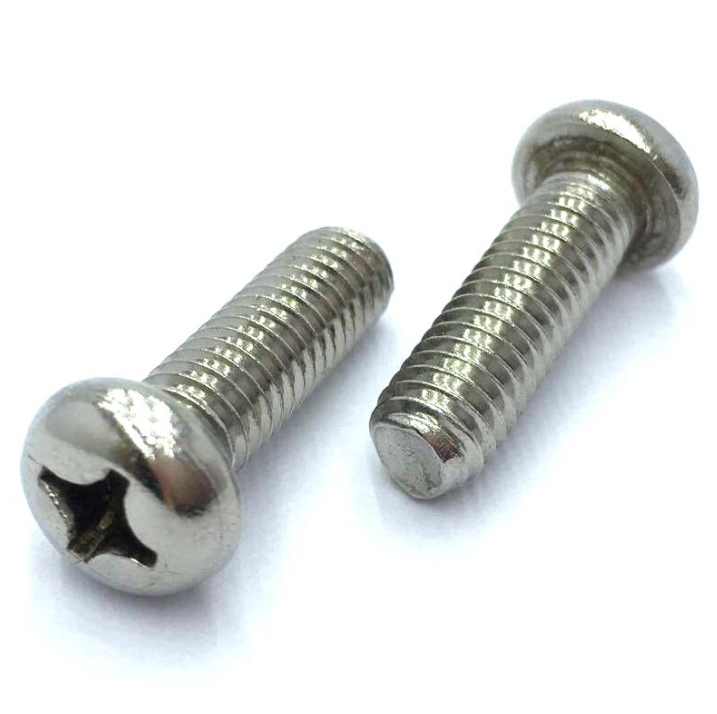

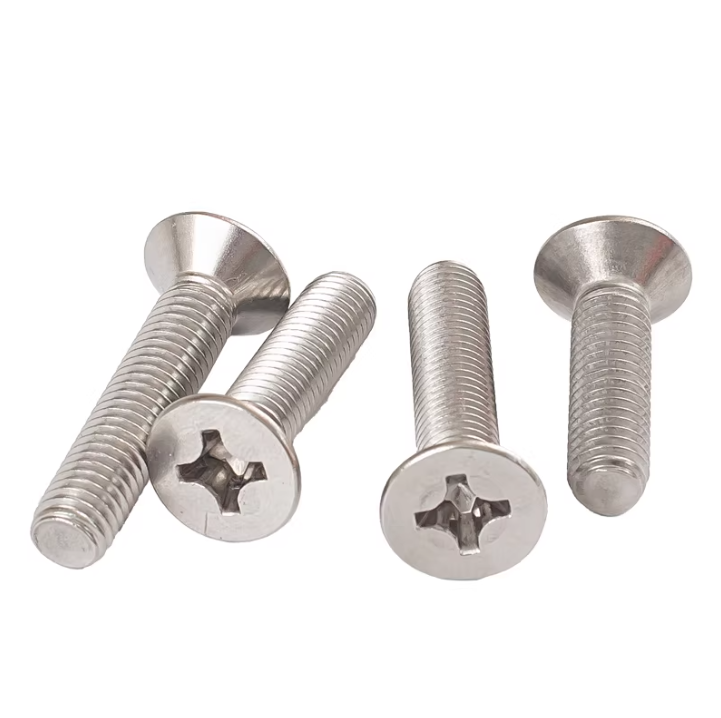
- Pan-head screws feature a hemispherical protrusion with a rounded top, remaining visible above the surface of the connected components after installation.
- Countersunk screws, conversely, possess an inverted conical head with a flat top. When installed into a pre-drilled countersunk hole, they lie flush with the contact surface.
- Pan-head screws require no pre-drilled countersunk holes, offering straightforward installation. They are suitable for applications where surface flatness is not paramount, such as internal furniture fixings or electrical appliance casing assembly.
- Countersunk screws offer an aesthetically pleasing finish and prevent snagging on foreign objects, making them suitable for applications requiring surface flatness, such as decorative panels and instrument casings.
- Pan-head screws provide a larger bearing surface, offering superior vibration resistance and stability, and are suitable for applications involving light loads.
- Countersunk screws have a smaller bearing surface, resulting in weaker load-bearing and vibration resistance capabilities, and are only suitable for light-duty fastening.
Send Inquiry



X
We use cookies to offer you a better browsing experience, analyze site traffic and personalize content. By using this site, you agree to our use of cookies.
Privacy Policy
News
 Guide to Selecting Fastener Materials: Material Determines Performance, Heat Treatment Determines Strength, and Surface Treatment Determines Service Life!2026/07/13
A single sentence that captures the essence of the fastener industry: Choose the wrong material, and even the strongest fastener will break; Choose the wrong heat treatment, and even the highest-rated fastener is merely a false claim; Choose the wrong surface treatment, and even the best screw wi......
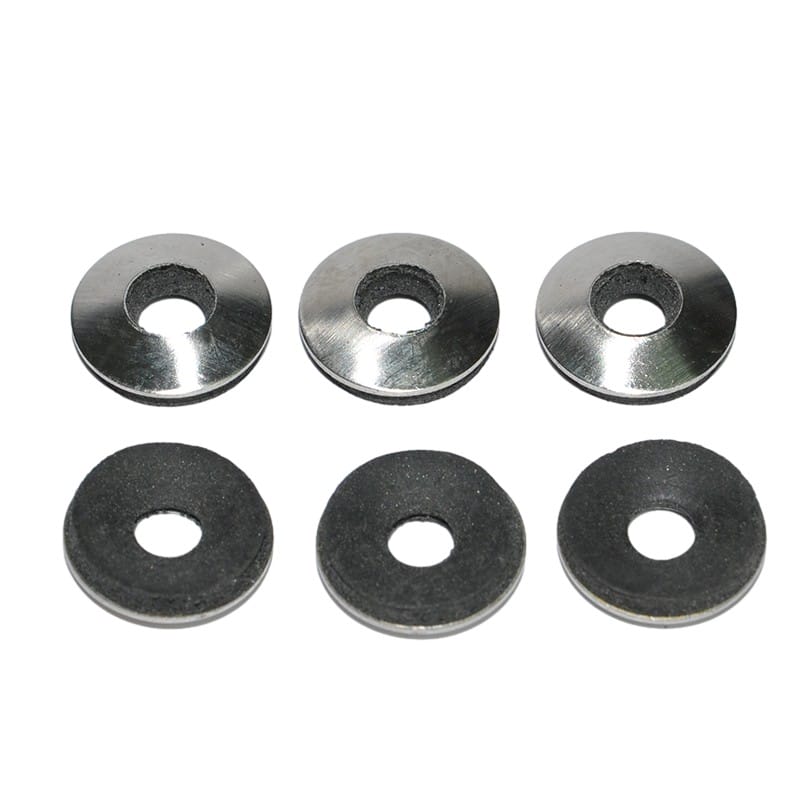 Jiaxing Aoke – Reliable Supplier of High-Performance EPDM Bonded Washers2026/07/10
Featuring prominent advantages such as aging resistance, high and low temperature resistance, water and vapor resistance, high resilience and ultra-long service life, EPDM bonded washers have become the most widely used and cost-effective sealing consumables for engineering supporting applications. ......