


Call Us
+86-573-83601567
Email Us
info@aoketrade.com

Common Methods of Aluminum Surface Treatment in Precision Hardware Processing
Proper aluminum surface treatment determines final corrosion resistance, wear performance, dimensional stability, visual texture and regulatory compliance, especially for EV structural parts and precision stamped components. Wrong finishing selection may trigger assembly tolerance deviation, premature component failure and non-compliance risks for EU markets requiring REACH compliance. Below we expand on mainstream aluminum finishing solutions for global procurement engineers’ reference.
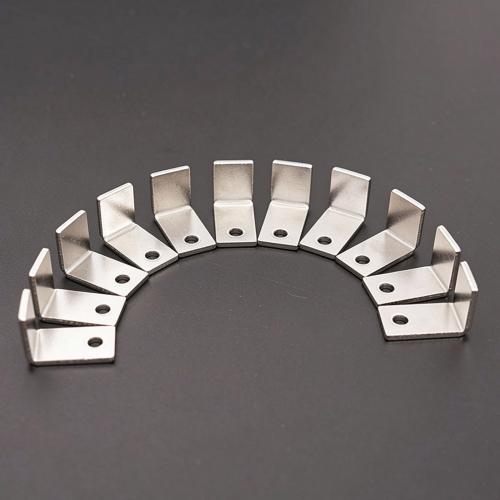
1.Anodizing (Type II Decorative & Type III Hard Anodizing)
- Description: Anodizing is an electrochemical conversion process that grows an integrated aluminum-oxide protective layer from the base material rather than attaching an external coating. Type II decorative anodizing forms 5-25 μm film; Type III hard anodizing generates 25-100 μm dense hard-coat layer for heavy-duty scenarios.
- Advantages: Outstanding corrosion and wear resistance; multiple dye color options; minimal dimensional shift, suitable for tight-tolerance stamped parts; base-integrated film will not peel off.
- Application notes: Fit for aluminum brackets, equipment enclosures, automation hardware and EV structural components. Hard anodizing is preferred for sliding friction parts. Note different aluminum alloys bring inconsistent coloring results.
2.Electroplating
- Description: Electroplating deposits thin metal layers including nickel, chrome or zinc onto aluminum substrates through electrolytic reaction. Pre-treatment activation is critical for good coating adhesion on aluminum surfaces.
- Advantages: High-gloss decorative metallic appearance; improved surface hardness, wear-resistance and solderability.
- Application notes: Mainly used for decorative hardware and low-load assembly parts. Extra masking work is required for threaded holes and fitting surfaces to avoid tolerance interference.
3.Chromate Conversion Coating (Alodine, Trivalent Chrome)
- Description: Also known as chemical conversion coating, it creates an ultra-thin protective chemical film over aluminum surfaces. Modern production adopts trivalent-chrome formula to satisfy REACH compliance requirements, replacing traditional hexavalent chrome solutions.
- Advantages: Excellent corrosion resistance; retains electrical conductivity; barely changes component dimensions; serves as ideal primer base for subsequent painting or powder coating.
- Application notes: Widely specified for electronic conductive stamped parts, communication assemblies and aerospace hardware where grounding continuity is required.
4.Powder Coating
- Description: Dry powder material is electrostatically sprayed onto aluminum surfaces and thermally cured to form a tough organic protective layer, typical coating thickness ranges 60-120 μm.
- Advantages: Superior UV-resistance and impact performance; abundant RAL color & texture selections; eco-friendly without solvent volatilization.
- Application notes: Perfect for outdoor stamped structural hardware. Buyers must notice thick coating will increase overall dimension, so tolerance allowance should be reserved during DFM design phase. Not recommended for high-precision mating surfaces.
5.Brushing & Mechanical Polishing
- Description: Mechanical abrasive processing removes tool marks, burrs and surface defects. Brushing generates uniform linear matte texture; polishing delivers satin or mirror-grade reflective finish.
- Advantages: High-grade aesthetic effect; improves surface smoothness; frequently used as pre-treatment before anodizing.
- Application notes: Applied to consumer electronics housings, automotive decorative trim and visual-critical stamped parts. Cannot provide standalone long-term anti-corrosion protection.
6.Laser Marking / Laser Engraving
- Description: Focused laser beam modifies aluminum surface to carve permanent texts, logos, QR-codes or graphic patterns without physical contact.
- Advantages: Ultra-high positioning precision; permanent mark resistant to abrasion; flexible pattern customization.
- Application notes: For part traceability, brand logo marking and component identification on finished stamped aluminum hardware.
7.Passivation
- Description: Chemical cleaning procedure to eliminate free iron, residual stamping oil and surface contaminants left from stamping operations. It optimizes native oxide condition of aluminum alloy.
- Advantages: Improve intrinsic corrosion performance; enhance surface cleanliness for follow-up finishing processes.
- Application notes: Normally used as pre-processing step rather than standalone final surface treatment.
8.Vibratory Finishing
- Description: Parts rotate with abrasive media inside vibratory tanks to remove sharp burrs, stamping flash and edge blemishes in batch production.
- Advantages: Efficient mass deburring; smooth edge finishing; suitable for complex-shaped small stamped brackets.
- Application notes: Typical pre-treatment before plating, conversion coating or anodizing for bulk precision hardware.
9.Chemical Etching
- Description: Selective material removal via chemical etchant to create precise patterns, logos or thin-wall structures on aluminum surface.
- Advantages: Achieves ultra-fine detail which mechanical machining cannot realize.
- Application notes: Custom decorative panels, nameplates and special-function precision components.
Key Procurement & Design Reminders
Selecting suitable aluminum surface treatment should comprehensively evaluate operating environment, conductivity requirement, dimensional tolerance limit, aesthetic expectation, REACH compliance standard and project budget. Improper specification will cause rework and extra cost.
At Jiaxing Aoke Hardware, we deliver one-stop precision hardware machining for custom aluminum stamped parts. Our engineering team provides early-stage DFM review, helping you select optimized surface finish according to drawings, load conditions and compliance requirements. We support prototype sampling, pilot batches and high-volume mass production. Please share your drawings and technical specifications with us for formal quotation.
Send Inquiry



X
We use cookies to offer you a better browsing experience, analyze site traffic and personalize content. By using this site, you agree to our use of cookies.
Privacy Policy
News
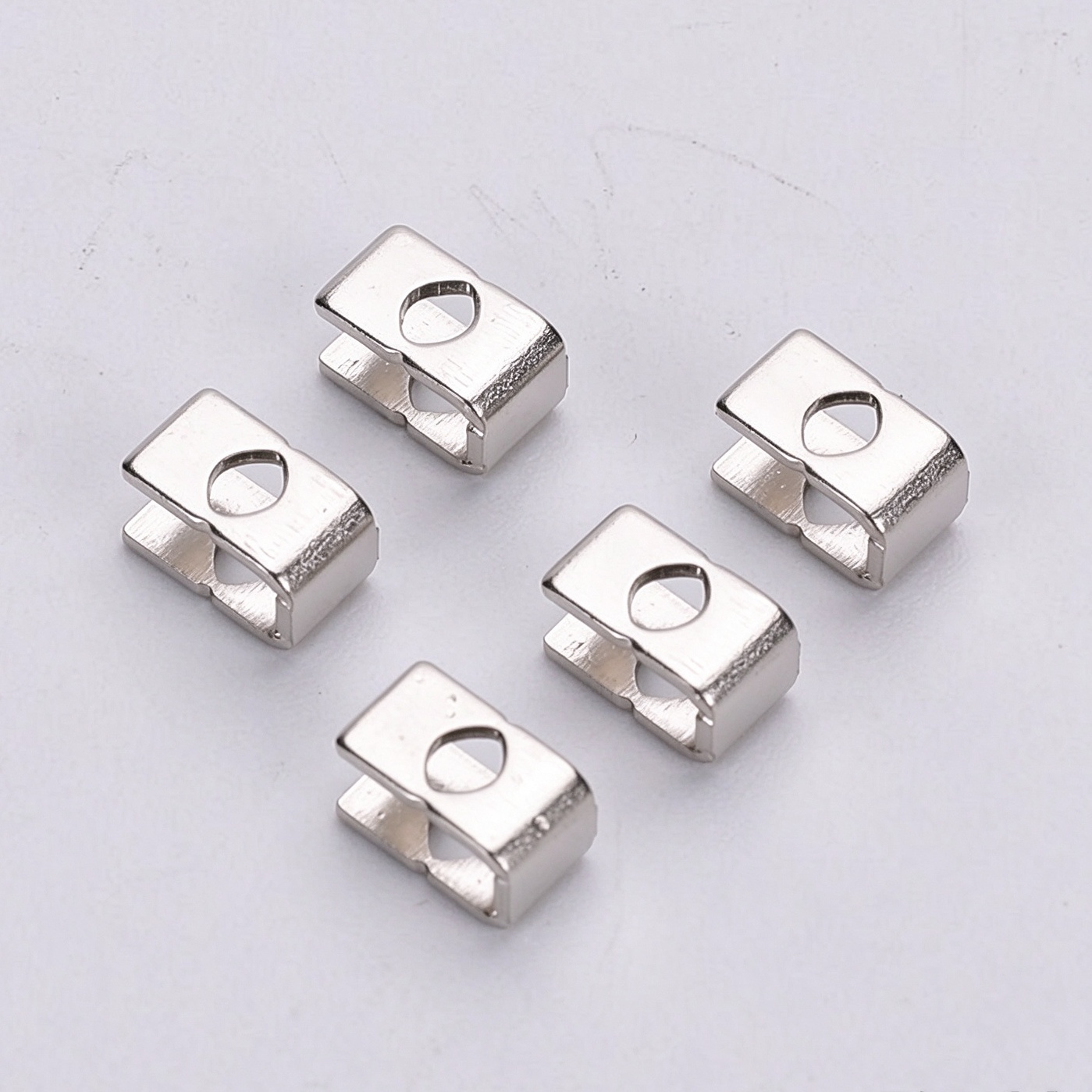 What Factors Affect the Service Life of Metal Stamping Parts?2026/11/18
What factors affect the service life of metal stamping parts? Material selection, product design, stamping processes, surface treatment, operating environments, and quality control all play important roles. This article explores six key factors and practical solutions to help manufacturers and buyer......
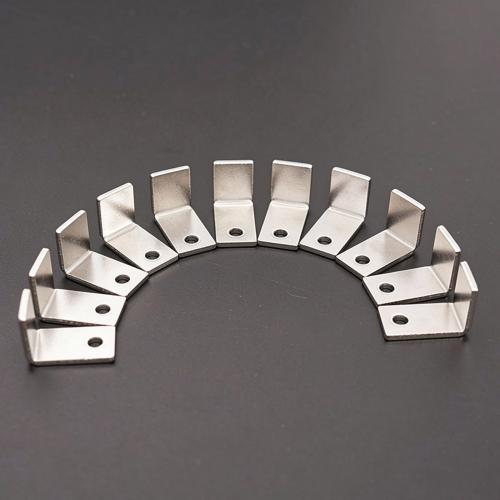 Common Methods of Aluminum Surface Treatment in Precision Hardware Processing2026/11/16
Aluminum surface finishing is a critical step in precision hardware machining, directly affecting corrosion resistance, wear performance, dimensional stability and REACH compliance, especially for EV structural parts. We cover mainstream options including aluminum anodizing, powder coating, chromate......