


Call Us
+86-573-83601567
Email Us
info@aoketrade.com

What Factors Affect the Service Life of Metal Stamping Parts?
For global procurement engineers and product designers, premature failure of metal stamping components is a frequent headache. It brings unexpected equipment shutdown, frequent part replacement, extra maintenance cost and project delay. This risk is even more prominent for EV lightweight components that run under continuous vibration, temperature fluctuation and corrosive atmosphere. Even if raw material certificates are qualified, improper design, flawed stamping process or non-standard surface treatment can shorten service life.
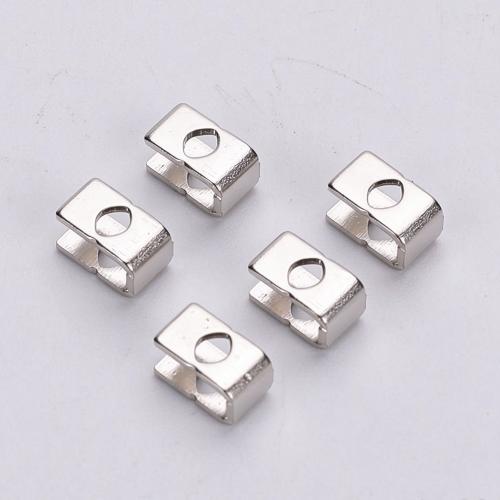
We sort out common failure triggers, corresponding problems and targeted solutions for your DFM review, drawing confirmation and supplier sourcing.
1. Material SelectionThe Problem
Choosing an unsuitable material can significantly shorten the service life of a stamped part.
Different metals have different mechanical and chemical properties. For example, insufficient strength may cause deformation under load, while poor corrosion resistance may lead to rust and material deterioration in humid or chemically aggressive environments.
The Solution:
Select materials according to the product's actual working conditions:
- Stainless Steel: Suitable for applications requiring corrosion resistance and durability.
- Carbon Steel: A practical choice for components requiring strength and cost efficiency, often with appropriate surface protection.
- Aluminum: Lightweight and useful for applications where weight reduction is important.
- Copper and Copper Alloys: Suitable for electrical components requiring good electrical and thermal conductivity.
2. Product Design and ThicknessThe Problem
Poor structural design may create stress concentration points, resulting in cracks, deformation, or fatigue failure during repeated use.
Insufficient thickness, sharp corners, poorly designed holes, and uneven load distribution can all affect durability.
The Solution:
Optimize product structure, thickness, bending radius, and hole positions to improve strength and durability while reducing unnecessary material consumption.
3. Stamping Dies and Manufacturing PrecisionThe Problem
Poor tooling conditions or improper stamping parameters may cause dimensional deviations, burrs, cracks, uneven deformation, and other defects.
These problems can affect assembly accuracy and create weak points that accelerate wear during operation.
The Solution:
Maintain stamping dies regularly, optimize production parameters, and implement strict dimensional inspections to ensure consistent manufacturing quality.
4. Surface TreatmentThe Problem
Metal components exposed to moisture, chemicals, friction, or outdoor conditions may experience corrosion, oxidation, or surface wear.
Even when the base material has sufficient strength, inadequate surface protection can shorten the product's service life.
The Solution:
Choose surface treatments according to the application environment:
- Zinc Plating: Provides corrosion protection for suitable steel components.
- Nickel Plating: Improves surface protection and appearance.
- Powder Coating: Offers a protective coating for suitable metal parts.
- Passivation: Helps improve the corrosion resistance of stainless steel.
- Anodizing: Commonly used for aluminum components to improve surface protection.
5. Operating EnvironmentThe Problem
Even well-manufactured metal stamping parts can fail prematurely when operating conditions exceed their design limits.
High temperatures, humidity, chemical exposure, vibration, repeated loading, and mechanical friction may accelerate material degradation and fatigue.
The Solution:
Evaluate the actual operating environment before confirming material and process specifications.
Consider:
- Operating temperature and humidity.
- Static and dynamic loads.
- Vibration and impact frequency.
- Exposure to chemicals or corrosive substances.
- Contact with other components and friction levels.
6. Quality Control and MaintenanceThe Problem
Inconsistent production quality and insufficient maintenance may lead to premature product failure.
Small defects, dimensional deviations, or surface damage may not be obvious during initial assembly but can become serious problems during long-term operation.
The Solution:
Establish quality inspections covering raw materials, dimensions, appearance, and surface treatment. Regular maintenance also helps maintain long-term performance.Conclusion: Longer Service Life Starts Before ProductionThe service life of metal stamping parts depends on the combined performance of materials, product design, tooling, manufacturing processes, surface treatments, and operating conditions.
Whether you need precision brackets, metal clips, stamped structural components, or customized metal parts, we welcome your drawings, samples, and technical specifications.
Send Inquiry



X
We use cookies to offer you a better browsing experience, analyze site traffic and personalize content. By using this site, you agree to our use of cookies.
Privacy Policy
News
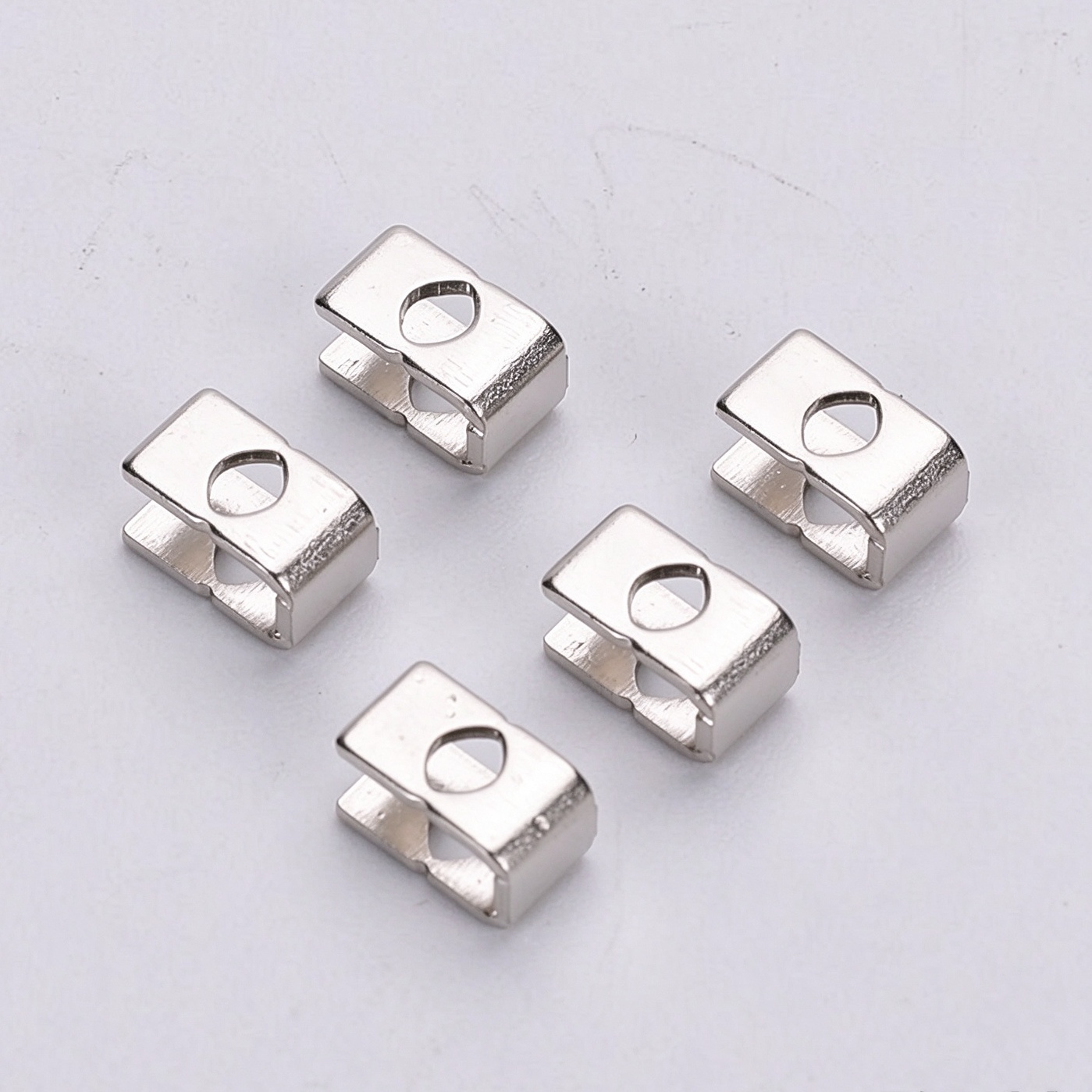 What Factors Affect the Service Life of Metal Stamping Parts?2026/11/18
What factors affect the service life of metal stamping parts? Material selection, product design, stamping processes, surface treatment, operating environments, and quality control all play important roles. This article explores six key factors and practical solutions to help manufacturers and buyer......
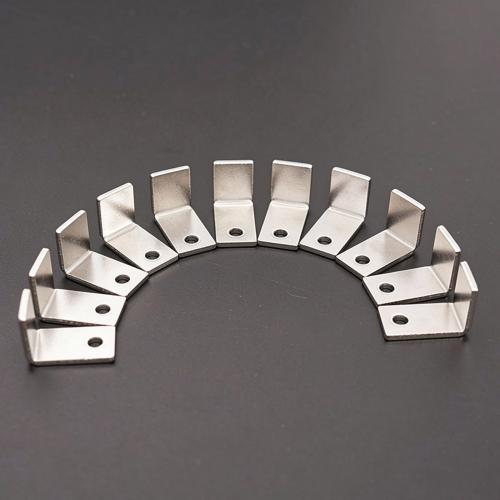 Common Methods of Aluminum Surface Treatment in Precision Hardware Processing2026/11/16
Aluminum surface finishing is a critical step in precision hardware machining, directly affecting corrosion resistance, wear performance, dimensional stability and REACH compliance, especially for EV structural parts. We cover mainstream options including aluminum anodizing, powder coating, chromate......