


Call Us
+86-573-83601567
Email Us
info@aoketrade.com

The Importance of Sheet Metal Thickness
Q1: What is sheet-metal gauge, and why does thickness matter for sheet-metal stamping parts?
A1: Sheet-metal gauge is an industry numbering system for sheet thickness; higher gauge numbers represent thinner sheets. Sheet-metal thickness directly determines part strength, bending performance, rigidity, weight and manufacturing difficulty for stamped components. Improper thickness selection may cause deformation during stamping, insufficient load-bearing capacity or unnecessary material waste.
Q2: How do I choose the right sheet metal thickness for my project?
A2: Consider factors like material type, load requirements, application environment, and manufacturing process. Use recommended thickness charts as a guideline.
Q3: What are the main differences between cold-rolled sheet and hot-rolled sheet in stamping production?
A3: Cold-rolled sheet features smooth surface, high hardness and tight thickness tolerance, suitable for precision stamping parts with strict appearance requirements, common thickness range 0.4-3.2 mm. Hot-rolled sheet carries surface oxide scale, lower hardness and better ductility, widely adopted for structural stamping parts, thickness range 1.2-100 mm. Select according to appearance demand and load condition.
Q4: What common risks will occur if I select inappropriate sheet-metal thickness?
A4: If the sheet is too thin: finished stamping parts easily deform under load, unstable bending dimension, poor rigidity. If over-specified too thick: higher material cost, greater stamping tonnage requirement, harder forming, risk of cracking during bending. It also increases overall product weight, going against material-cost-optimization targets.
Q5: How should overseas buyers select sheet-metal thickness for custom stamped parts?
A5: You need to evaluate 4 core factors: expected load-bearing requirement, working environment, stamping & bending process feasibility and budget. Meanwhile complete DFM design review together with your manufacturer. Thin sheets fit automotive & electronic precision components; medium-thickness sheets apply for general-purpose industrial structures; thick sheets are used for heavy-load mechanical assemblies.
Q6: What is the relationship between sheet thickness and punching hole size?
A6: For stamping punching, the recommended hole diameter is at least equal to the sheet thickness. If the hole is smaller than the material thickness, the punch is prone to wear and breakage. Laser cutting can realize smaller holes, but thermal deformation risk needs to be considered. It is better to confirm the thickness with us before finalizing hole dimensions on drawings.
Q7: Can I improve part rigidity without increasing sheet thickness?
A7: Yes. Instead of choosing thicker raw material, you can add reinforcing ribs, flanges, hems or embossed structures on the part. This method keeps the original sheet gauge, reduces material weight and cost, and still meets rigidity requirements. It is a common optimization solution for material cost optimization.
Q8: How does sheet metal thickness affect fabrication cost?
A8: Thicker metal increases material cost and weight, while too thin metal can lead to defects or product failure, increasing overall project cost.
Send Inquiry



X
We use cookies to offer you a better browsing experience, analyze site traffic and personalize content. By using this site, you agree to our use of cookies.
Privacy Policy
News
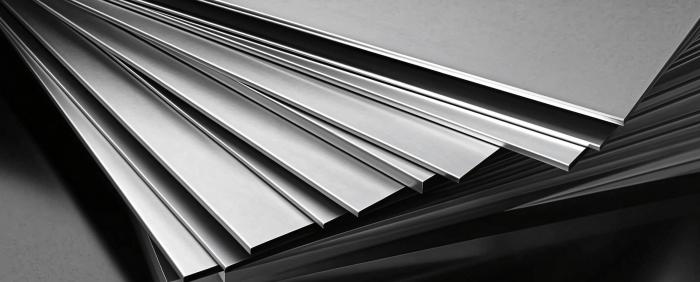 The Importance of Sheet Metal Thickness2026/11/09
Sheet metal thickness is one of the most critical factors in sheet metal stamping, directly affecting part strength, bending quality, punching feasibility and assembly accuracy. Many overseas buyers struggle with gauge conversion, thickness selection and DFM optimization, which may lead to cracking,......
 Metal Riveting:A Beginner’s Guide for Sheet Metal Stamping Projects2026/11/06
Metal riveting is a classic permanent mechanical joining method for sheet metal stamping. This article explains riveting workflow, compares application scenarios for solid rivets, blind rivets and semi tubular rivets, sorts out pros and cons, and distinguishes riveting from welding with real world c......