


Call Us
+86-573-83601567
Email Us
info@aoketrade.com

News
We are glad to share with you about the results of our work, company news, and give you timely developments and personnel appointment and removal conditions.


China's Goods Trade Imports and Exports Rose 15.3% in the First Five Months of This Year
According to a report on the General Administration of Customs website, customs statistics show that in the first five months of 2026, China's total value of goods trade imports and exports reached 20.68 trillion yuan, up 15.3% year-on-year (same as below). Of this total, exports amounted to 11.91 t......
View Details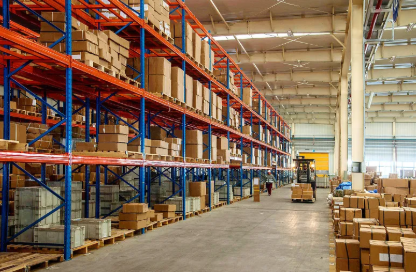
Jiaxing Aoke Container Loading & Logistics Quality Service
Jiaxing Aoke always adheres to strict standards and standardized procedures for all container loading operations.We value every customer’s order and take every product seriously, no matter how small the components are. We strive to protect every item in the shipment with meticulous logistics control......
View Details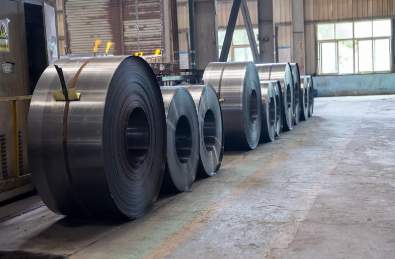
An Introduction to the Strength of Heat-Treated Fastener Raw Materials
When selecting carbon steel fasteners, the raw material grade directly determines the mechanical strength rating of the screws after heat treatment. Different wire materials undergo heat treatment processes such as quenching and tempering, resulting in significant variations in the performance stand......
View Details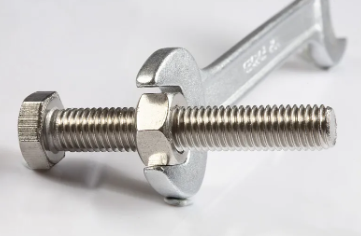
How should bolts and nuts be used for permanent connections?
When standard bolts are used for permanent connections, they must meet the following requirements: 1. For general bolted connections, flat washers should be placed under both the bolt head and the nut to increase the bearing surface area. 2. Flat washers should be placed on both the bolt head and ......
View Details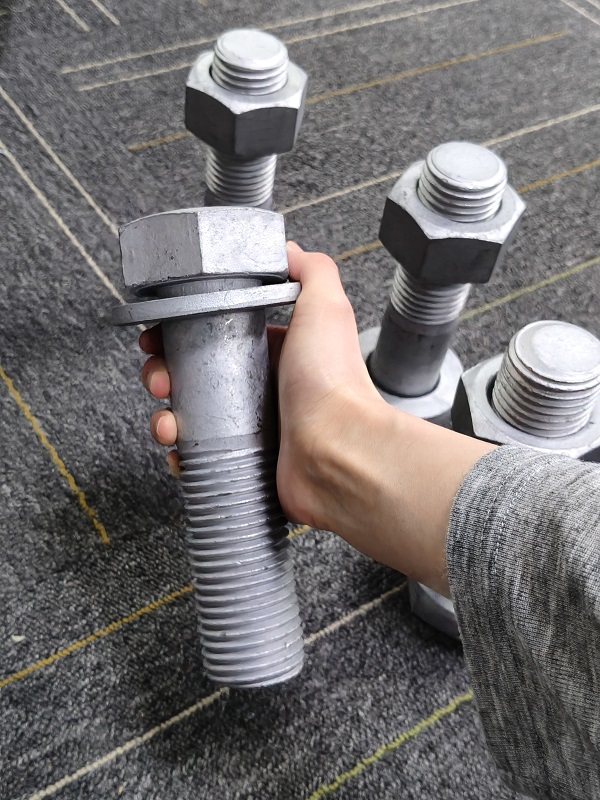



X
We use cookies to offer you a better browsing experience, analyze site traffic and personalize content. By using this site, you agree to our use of cookies.
Privacy Policy
News
 Guide to Selecting Fastener Materials: Material Determines Performance, Heat Treatment Determines Strength, and Surface Treatment Determines Service Life!2026/07/13
A single sentence that captures the essence of the fastener industry: Choose the wrong material, and even the strongest fastener will break; Choose the wrong heat treatment, and even the highest-rated fastener is merely a false claim; Choose the wrong surface treatment, and even the best screw wi......
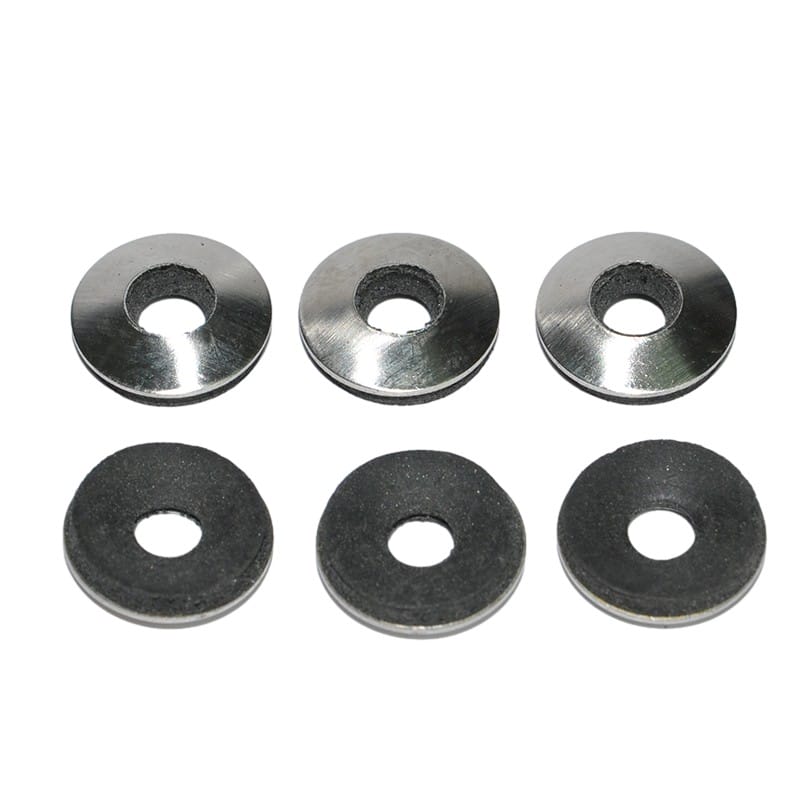 Jiaxing Aoke – Reliable Supplier of High-Performance EPDM Bonded Washers2026/07/10
Featuring prominent advantages such as aging resistance, high and low temperature resistance, water and vapor resistance, high resilience and ultra-long service life, EPDM bonded washers have become the most widely used and cost-effective sealing consumables for engineering supporting applications. ......