


Call Us
+86-573-83601567
Email Us
info@aoketrade.com

What are lock nuts? What are some common types of lock nuts?
Lock nuts, also known as anti-loosening nuts or retaining nuts, are commonly used in mechanical equipment. Because they offer excellent locking and anti-loosening performance, many people choose to use them. The following are some common types of lock nuts.
1. Flanged lock nuts: One side of the nut features a toothed flange, and the teeth on the flange provide effective anti-loosening protection. They are used in the same way as standard nuts, making them relatively simple to use.
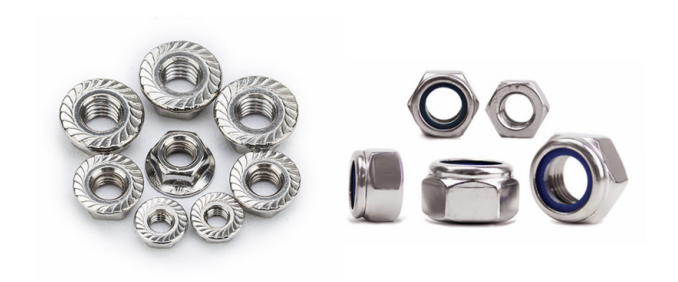
2. Nylon lock nuts: These nuts incorporate a nylon ring in the center, which also provides a locking and anti-loosening effect.
3. Welded nuts: Welded nuts are divided into square and hexagonal types. These nuts have several welding points on the underside; after installation, they are welded in place to achieve a very secure fastening.
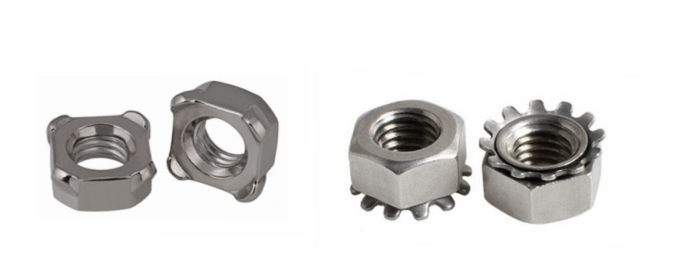
4. K-type nuts: These nuts feature a serrated design, effectively combining the functions of a nut and a serrated washer. This combination is very convenient to use and provides excellent anti-loosening performance.
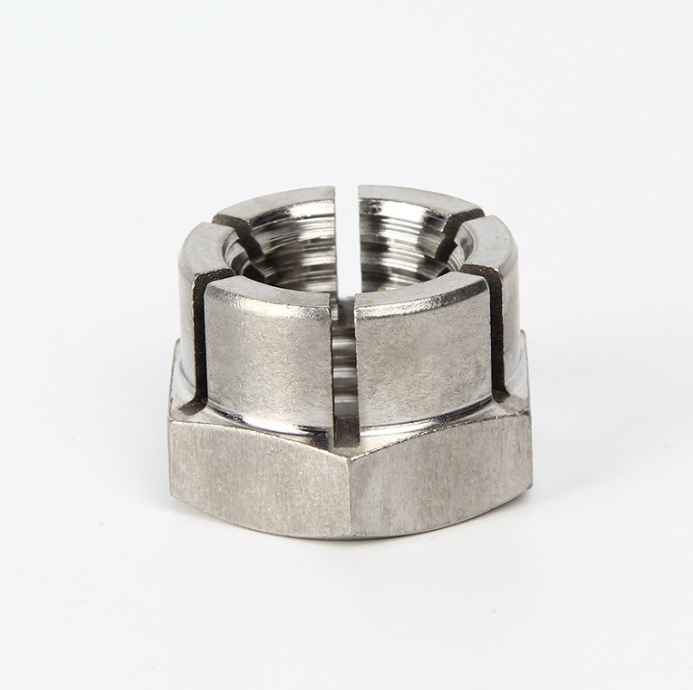
5. All-metal locking nuts: The top choice for high-temperature and high-strength applications, these nuts feature a specially designed exterior that delivers highly effective anti-loosening performance.
Send Inquiry



X
We use cookies to offer you a better browsing experience, analyze site traffic and personalize content. By using this site, you agree to our use of cookies.
Privacy Policy
News
 Guide to Selecting Fastener Materials: Material Determines Performance, Heat Treatment Determines Strength, and Surface Treatment Determines Service Life!2026/07/13
A single sentence that captures the essence of the fastener industry: Choose the wrong material, and even the strongest fastener will break; Choose the wrong heat treatment, and even the highest-rated fastener is merely a false claim; Choose the wrong surface treatment, and even the best screw wi......
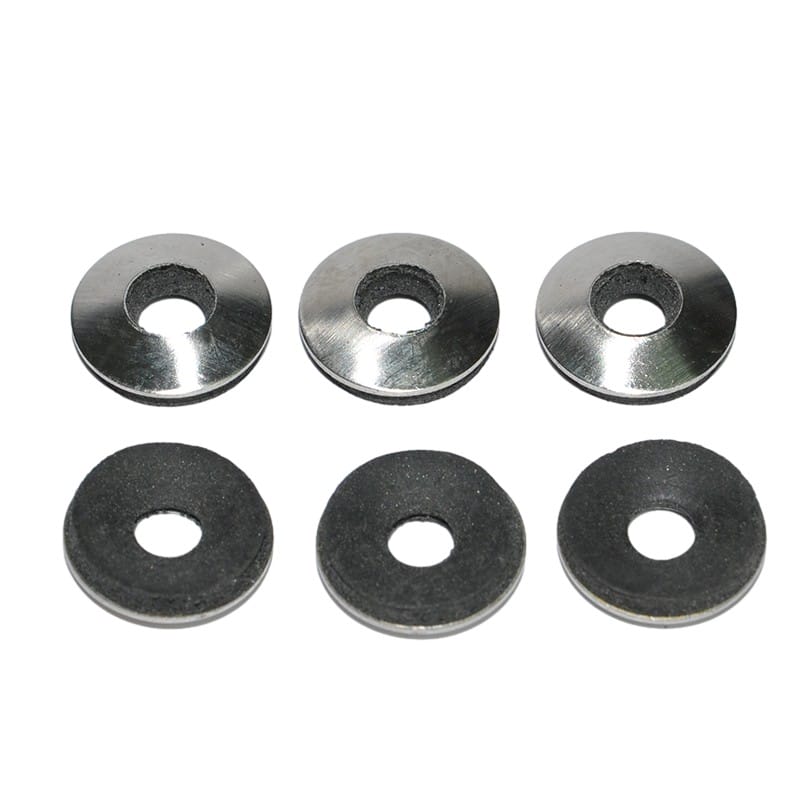 Jiaxing Aoke – Reliable Supplier of High-Performance EPDM Bonded Washers2026/07/10
Featuring prominent advantages such as aging resistance, high and low temperature resistance, water and vapor resistance, high resilience and ultra-long service life, EPDM bonded washers have become the most widely used and cost-effective sealing consumables for engineering supporting applications. ......