


Call Us
+86-573-83601567
Email Us
info@aoketrade.com

News
We are glad to share with you about the results of our work, company news, and give you timely developments and personnel appointment and removal conditions.

Why does the performance of adhesive-coated bolts deteriorate?
Adhesive-coated bolts feature a specialized adhesive layer applied to their surface, serving three core functions: fastening, sealing, and anti-loosening. This coating not only enhances the bond between the bolt and the connected component but also isolates external contaminants, improving overall f......
View Details
Why Do Your Galvanised Screws Rust?
Many assume galvanised screws possess inherent rust-proof properties, yet they still corrode during use. What exactly is happening? In truth, the zinc coating serves merely as a protective “outer layer” for the screw, not a universal shield. Rust formation is largely linked to the condition of the c......
View Details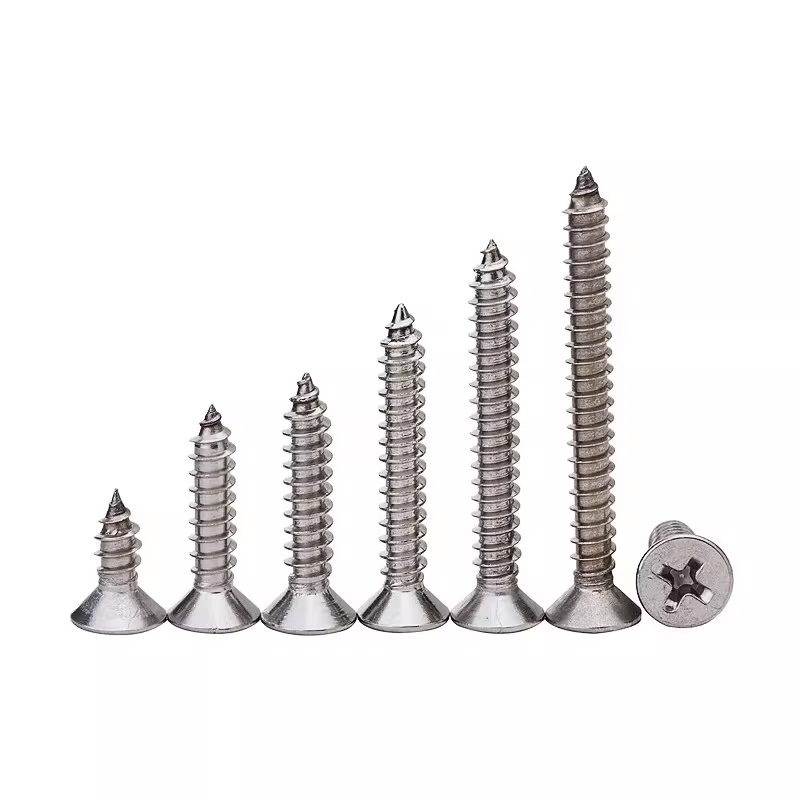
How to Select Self-Tapping Screws?
Self-tapping screws feature diverse classification dimensions. Common types include Phillips pan-head self-tapping screws, standard pan-head self-tapping screws, and Phillips countersunk self-tapping screws. Additionally, they are categorized by tip characteristics into drill-point, flat-point, and ......
View Details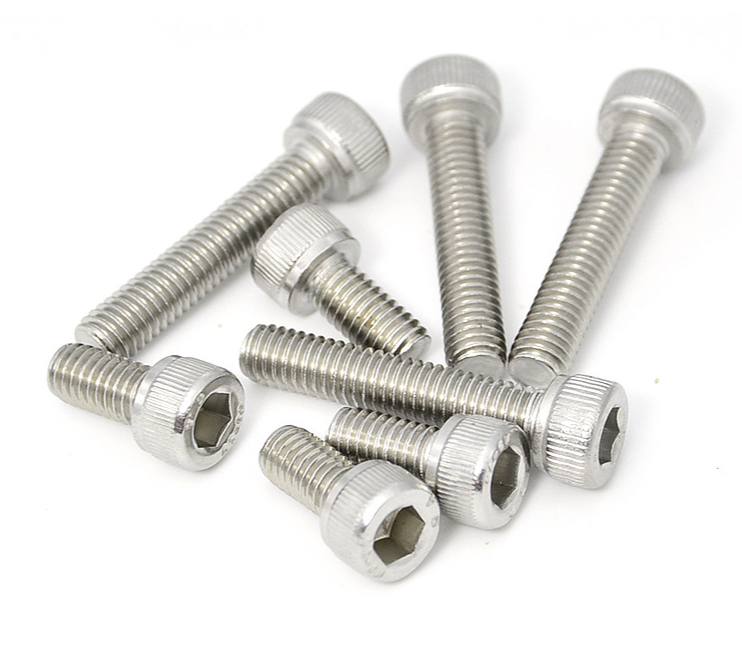
External Hex Bolt or Internal Hex Bolt?
Hexagon head bolts are a common type of fastener. Compared to flat-head or Phillips-head bolts, they are less prone to stripping during assembly and can withstand higher torque. Hexagon head bolts can be categorised into two types: external hex bolts and Internal hex bolts. So what distinguishes the......
View Details
What is the difference between self-locking nuts and locking nuts?
A self-locking nut is a nut that secures itself through friction. Conventional nuts may loosen during use due to vibration or other factors. To prevent this, self-locking nuts were developed. Their primary functions are anti-loosening and vibration resistance, making them suitable for specialised ap......
View Details
What is Thread Rolling?
Thread rolling is a manufacturing process that employs forming rollers to induce plastic deformation in the workpiece, thereby creating threads. Unlike cutting methods, it does not form the required profile by removing metal; instead, it creates threads as the mirror image of the thread rolling die.......
View Details


X
We use cookies to offer you a better browsing experience, analyze site traffic and personalize content. By using this site, you agree to our use of cookies.
Privacy Policy
News
 Guide to Selecting Fastener Materials: Material Determines Performance, Heat Treatment Determines Strength, and Surface Treatment Determines Service Life!2026/07/13
A single sentence that captures the essence of the fastener industry: Choose the wrong material, and even the strongest fastener will break; Choose the wrong heat treatment, and even the highest-rated fastener is merely a false claim; Choose the wrong surface treatment, and even the best screw wi......
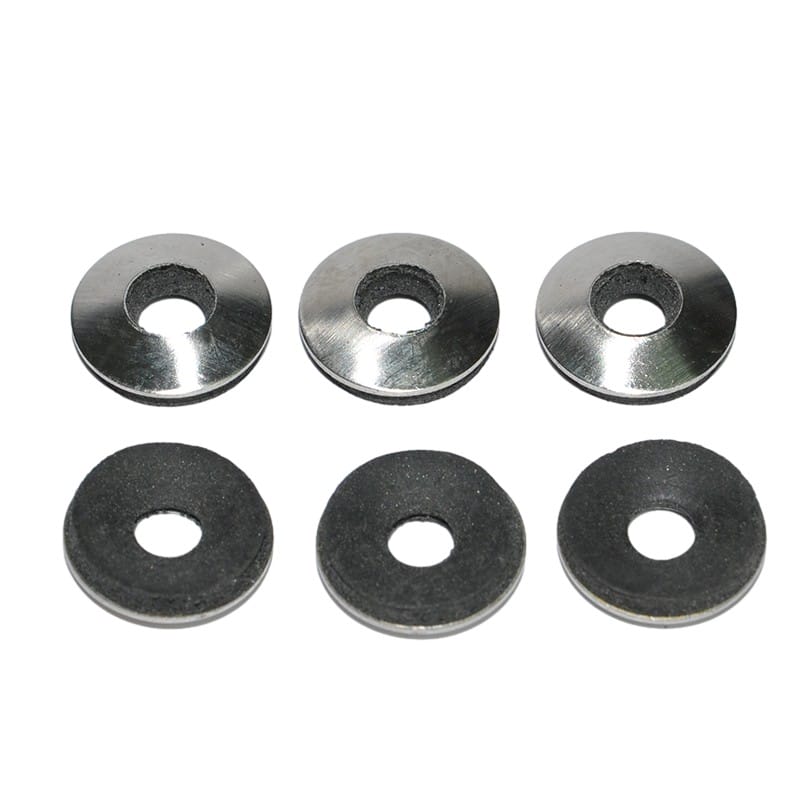 Jiaxing Aoke – Reliable Supplier of High-Performance EPDM Bonded Washers2026/07/10
Featuring prominent advantages such as aging resistance, high and low temperature resistance, water and vapor resistance, high resilience and ultra-long service life, EPDM bonded washers have become the most widely used and cost-effective sealing consumables for engineering supporting applications. ......