


Call Us
+86-573-83601567
Email Us
info@aoketrade.com

Industry News
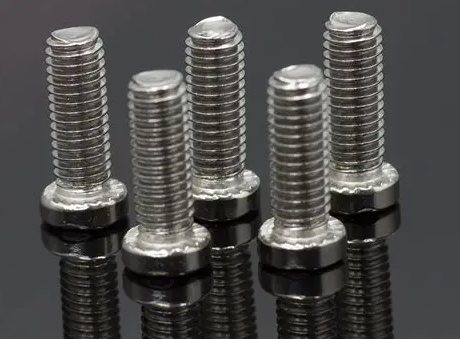
What Causes Discoloration in Stainless Steel Screws?
Under normal circumstances, stainless steel screws retain their natural metallic luster and generally do not require additional surface protection. However, many people notice that after the screws are put into use, their surfaces gradually develop discoloration, such as reddening or darkening. Toda......
View Details
No Licenses Required for Fastener Exports Starting in 2026
As 2026 begins, the fastener industry—often referred to as the “rice of industry”—is set to benefit from favorable policy winds. Driven by both industrial upgrading and the global market recovery, the industry landscape is undergoing a profound transformation. Opportunities, challenges, and a shake......
View Details
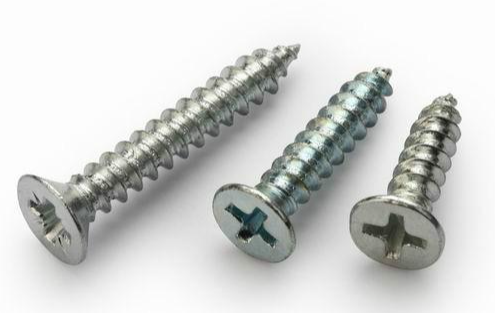
What Causes Thread Failure in Self-Tapping Screws?
Self-tapping screws are primarily used in the home appliance manufacturing industry, wooden furniture, and steel structure engineering projects. Due to their strong self-locking capability, they do not require nuts and are simple and convenient to use, making them a popular choice. What causes threa......
View Details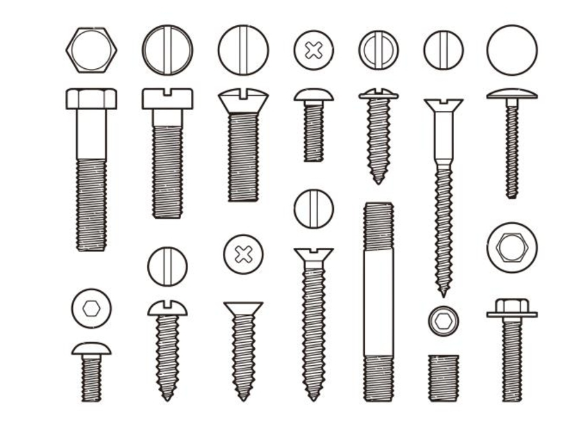
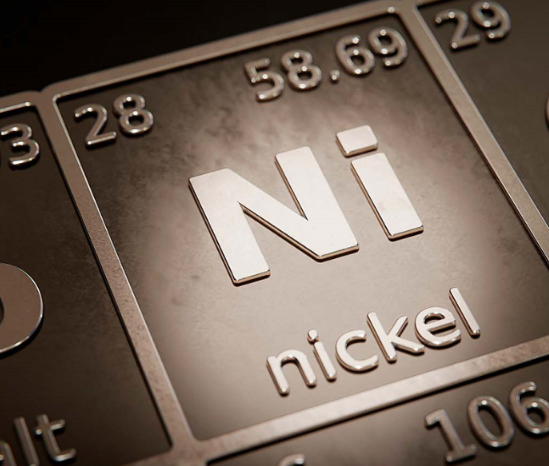
Tungsten Prices Surpass 1.05 Million! Nickel Prices Hold Steady at 144,000!
Since March 2026, prices for the key industrial metals tungsten and nickel have continued to soar. Tungsten prices have broken through the 1 million yuan mark to reach a historic high, while nickel prices have remained at elevated levels.
View Details


X
We use cookies to offer you a better browsing experience, analyze site traffic and personalize content. By using this site, you agree to our use of cookies.
Privacy Policy
News
 Guide to Selecting Fastener Materials: Material Determines Performance, Heat Treatment Determines Strength, and Surface Treatment Determines Service Life!2026/07/13
A single sentence that captures the essence of the fastener industry: Choose the wrong material, and even the strongest fastener will break; Choose the wrong heat treatment, and even the highest-rated fastener is merely a false claim; Choose the wrong surface treatment, and even the best screw wi......
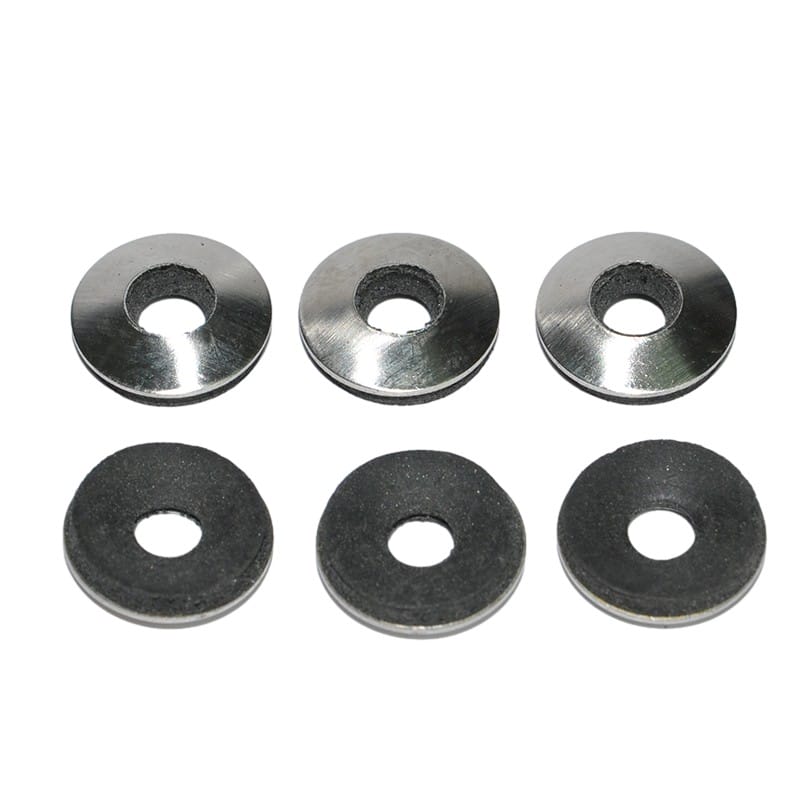 Jiaxing Aoke – Reliable Supplier of High-Performance EPDM Bonded Washers2026/07/10
Featuring prominent advantages such as aging resistance, high and low temperature resistance, water and vapor resistance, high resilience and ultra-long service life, EPDM bonded washers have become the most widely used and cost-effective sealing consumables for engineering supporting applications. ......