


Call Us
+86-573-83601567
Email Us
info@aoketrade.com

Industry News
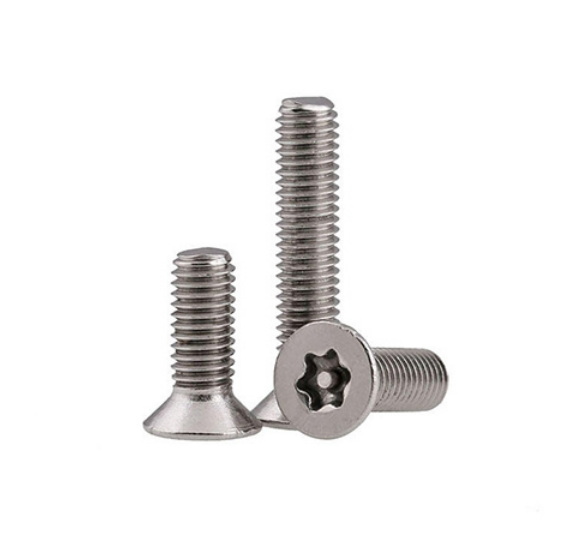
How Much Do You Know About Anti-Theft Screws?
Anti-theft screws, also known as tamper-resistant screws, are fasteners designed to prevent the theft of fixed installations left outdoors in public environments for extended periods. Based on their structure and type, they are classified into two categories: removable and non-removable.
View Details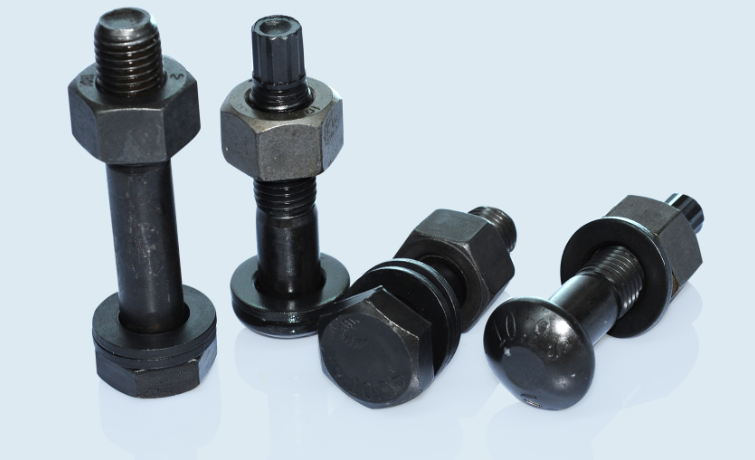
Why Are High-Strength Bolts Usually Black?
The black appearance of high-strength bolts is due to important functional considerations: it is not that black signifies high strength, but rather that the requirements for manufacturing high-strength bolts make “black” (blackening) the most suitable and safe surface treatment option, primarily due......
View Details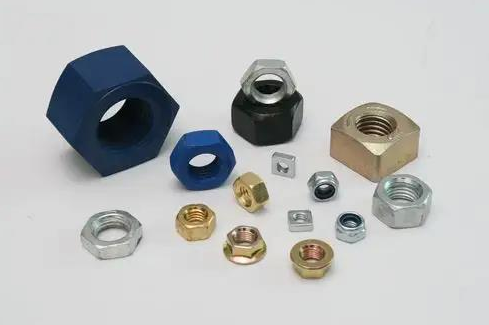
Choosing the “Coating” for Bolts
Zinc plating is the most common and economical surface treatment method for commercial fasteners. Typically, a passivation process is performed after zinc plating; depending on the passivation solution used, the resulting finish can appear white, blue, yellow, black, green, or other colors.
View Details
Should Stainless Steel Screws Be Passivated?
After production, many stainless steel screws are simply cleaned and packaged for shipment. So, do they need to undergo passivation treatment? In fact, although stainless steel screws have excellent rust resistance, they still require some form of passivation.
View Details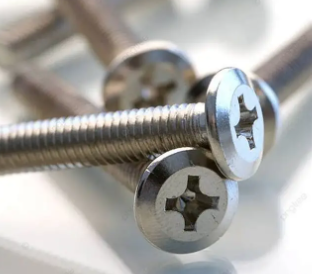
Performance Comparison of Martensitic and Austenitic Screws
In the wide-ranging applications of industrial fasteners, martensitic stainless steel screws and austenitic stainless steel screws have become essential choices for various operating conditions due to their unique physical and chemical properties. Correctly distinguishing and understanding the chara......
View Details
How to Address Stripped Screw Threads?
The primary causes of stripped screw threads typically include excessive torque, improper thread matching, eccentric loading, soft material, or repeated disassembly and reassembly. To effectively reduce failure rates and secondary damage, standardized procedures should be followed across four stages......
View Details


X
We use cookies to offer you a better browsing experience, analyze site traffic and personalize content. By using this site, you agree to our use of cookies.
Privacy Policy
News
 Guide to Selecting Fastener Materials: Material Determines Performance, Heat Treatment Determines Strength, and Surface Treatment Determines Service Life!2026/07/13
A single sentence that captures the essence of the fastener industry: Choose the wrong material, and even the strongest fastener will break; Choose the wrong heat treatment, and even the highest-rated fastener is merely a false claim; Choose the wrong surface treatment, and even the best screw wi......
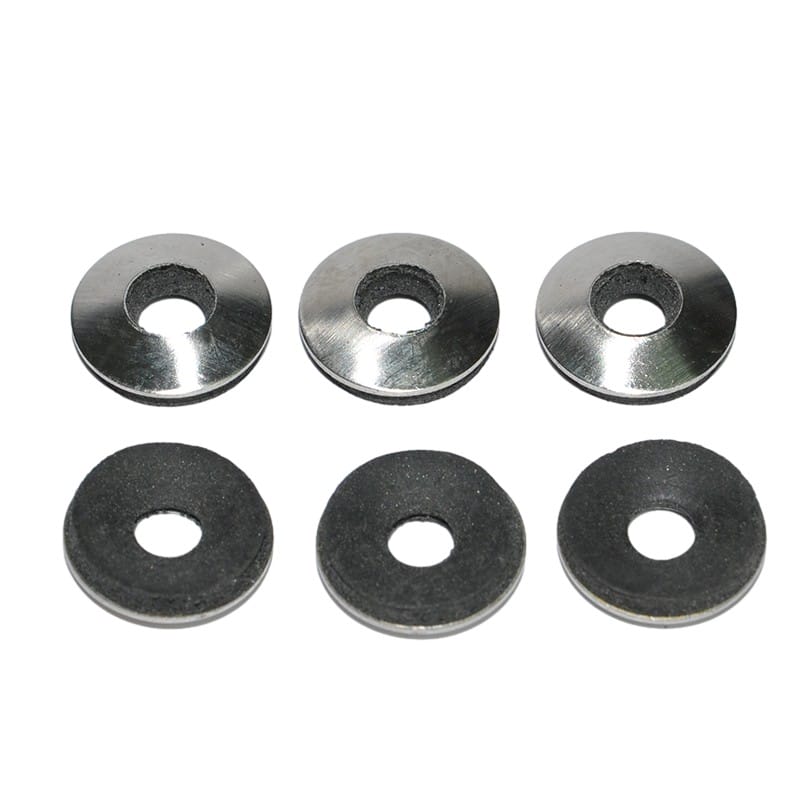 Jiaxing Aoke – Reliable Supplier of High-Performance EPDM Bonded Washers2026/07/10
Featuring prominent advantages such as aging resistance, high and low temperature resistance, water and vapor resistance, high resilience and ultra-long service life, EPDM bonded washers have become the most widely used and cost-effective sealing consumables for engineering supporting applications. ......